Quick Brushwork Mastery: Impressionist Movement Techniques
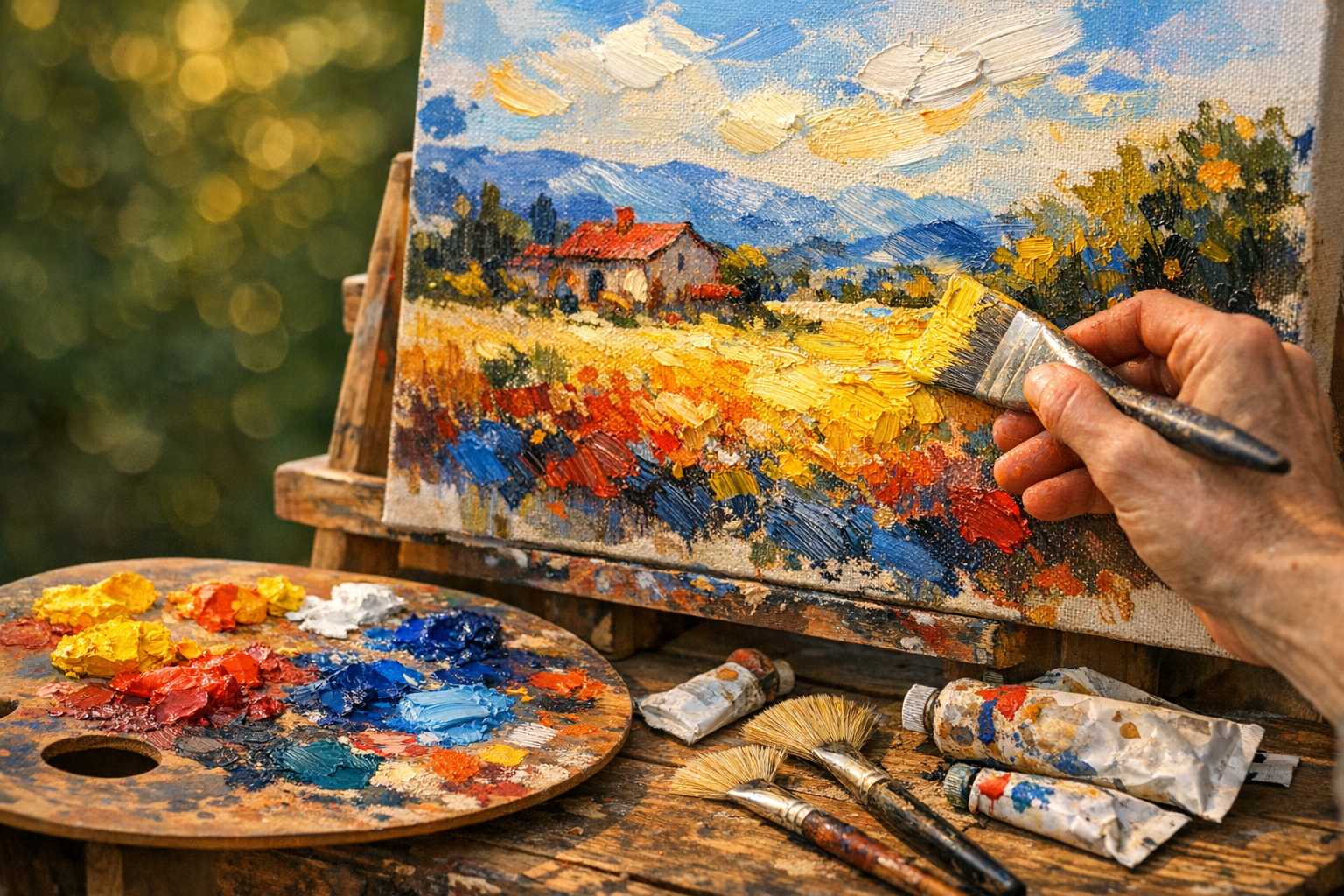
Mastering Swift Brushwork: Techniques of the Impressionist Movement
Have you ever been mesmerized by the magical brush strokes of a Monet painting, entrancing in the way they encapsulate light? This magic is woven from the inventive techniques owned by the Impressionist movement. Today, the possibility to harness these transformative methods that forever shaped the course of art is yours.
Unpacking the Impressionist Revolution
Originating in France during the 1860s, the Impressionist movement, led by visionary artists such as Claude Monet, Pierre-Auguste Renoir, and Edgar Degas, shattered conventional norms. These trailblazers distanced themselves from detailed, hyperrealistic art, choosing instead to capture ephemeral moments and shifting lighting.
They were plein air painters - they painted outdoors, imbibing directly from the source of nature. A sense of urgency to pinpoint flawless lighting conditions led them to develop their characteristic vibrant, undisciplined brushwork.
Essential Techniques for Swift Brushwork
The Technique of Broken Color
Impressionists seldom mixed colors on their palette. Amazingly, the viewing eye does the blending. Pure colors are placed adjacently on the canvas, appearing as a result, mixed from a distance.
You can experiment with this technique: - Use concise, brusque brush strokes. - Place contrasting colors contiguous to each other. - Let the colors interact vibrantly against each other. - Frequently step back to perceive the overall effect.
Enslaving Light with Loose Strokes
Light was paramount to Impressionist painters. They were keen observers of light's transformation throughout the day, reflected in their animated brushwork.
Sharpen your light capturing techniques: - Paint the shadows with cool colors. - Warm colors are perfect for sunlit areas. - Make your brush strokes mirror the direction of light. - Paint wet-on-wet for smoother transitions.
Color Mixing Wisdom from the Masters
The Impressionist Color Palette
Impressionists generally employed a restrained color palette, enabling them to work with speed while maintaining color harmony.
A typical palette boasts: - Cadmium yellow - Ultramarine blue - Cadmium red - Titanium white - Burnt sienna - Viridian green
Canvas Color Mixing
Instead of mixing colors entirely on the palette, test partial mixing. Some pure color should remain visible in your mix creating a more vibrant, lively canvas palette.
Brush Selection and Management
Selecting the Right Brushes
Impressionist artists favored certain brushes due to their speed: - Flat brushes for striking strokes. - Fan brushes to create texture. - Palette knives for thick paint application. - Small round brushes for intricate details.
Lively Brush Movements
Your handling of the brush certainly makes a difference. Alter your pressure and direction. Practice confident, decisive strokes. Avoid overcompensating your paint.
Experiment with these moving patterns: - Brisk, abrupt strokes for foliage. - Stretched, horizontal strokes for water. - Vertical strokes for tree trunks. - Circular motions for clouds.
Employing Wet Paint Techniques
Alla Prima Method
The majority of Impressionists employed the alla prima technique, meaning the completion of a painting in a single session while the paint remains wet. This technique guarantees the freshness and vibrancy of colors.
The alla prima technique has several benefits: - Natural blending of colors. - Visible brush strokes. - Spontaneous effects surface. - Paint shares a unified texture.
Impasto Applications
Impressionists often made use of thick layers of paint, a technique known as impasto. It provides additional texture and captures light beautifully. The raised paint naturally forms shadows and highlights.
Observation and Capture of Movement
Painting Swiftly and Instinctively
Impressionist painters often focused on ever-moving subjects. Water rippling, leaves fluttering, light shifting. Artists had to work fast and rely on their intuition.
Get speedy with these tips: - Start with the large shapes. - Add details at the end. - Concentrate on capturing the overall essence. - Don't get hung up on perfection.
Capturing Atmospheric Effects
Weather and atmospheric conditions were intriguing subjects for Impressionist painters. Fog, rain, snow, and ever-changing skies became attractive subjects. These conditions required immediate observation and fast execution.
Practice Exercises for Novices
Daily Light Studies
Allocate 15 minutes every day to paint the same subject at different times. Observe how light modifies colors and shadows. The practice aligns your eye to fine light detail and enhances your brush speed.
Experiments with Color Temperature
Enhance your ability to identify warm and cool colors in nature. Paint simple subjects, concentrating solely on temperature relationships. This basic skill drastically improves all your painting.
Gesture-Based Painting
Set a timer for 10 minutes and paint moving subjects, like people walking or drifting clouds. Don't agonize over the details. Capture the pivotal essence of movement and vitality.
Instruction from the Masters
Gallery Studies
Whether strolling through museums or surfing online collections, examine the different ways Impressionists approached similar themes. Observe their individual strokes of brushwork and color usage.
Copying Renowned Artwork
By replicating masterful paintings, you get an up-close experience of their techniques. Rather than entire paintings, choose small sections to copy, focusing on each brush stroke's significance and technique.
Common Errors to Circumvent
Over Manipulation of the Paint
The most common error beginners make is excessively working their paint. The effortlessness of Impressionist art is what makes it stand out. Know when to set down the brush.
Being Excessively Cautious
Impressionism is a celebration of spontaneity and vitality. Don’t be hesitant to make bold strokes. Your paintings should radiate self-assuredness and enjoyment in the process.
Overlooking Color Temperature
Grasping the concept of warm and cool colors is central. Cool colors recede, and warm colors advance. Harness this understanding to fabricate depth and atmosphere.
Developing Your Unique Style
Discovering Your Voice
Learning from the masters has its importance, but it's equally crucial to develop your voice. Pay attention to the subjects that captivate you and your natural brushstroke patterns.
Experimenting with Modern Art Tools
You're not bound by the materials of the 19th century. Modern paints and brushes yield potential to enhance Impressionist techniques. Unleash the experimental artist in you and find out what suits you.
Building Assurance with Practice
Begin Small
Commence with small paintings, perhaps no larger than 8x10 inches. Small paintings are considerably less daunting and easier to complete in a single session.
Regular Practice
Consistency is key. Instead of enduring long sessions once a week, a little bit of painting every day builds muscle memory and fosters confidence.
Join Painting Communities
Painting in groups encourages motivation and provides constructive criticism. Look out for local outdoor painting groups or online forums dedicated to Impressionist techniques.
Embrace the Impressionist Spirit
The Impressionist movement epitomizes more than just technique. It appreciates joy in seeing and cherishing the beauty in everyday moments, finding magic in everyday subjects through a fresh perspective.
As you practice these swift brushwork techniques, remember to relish the process. Each brush stroke is a small party of color and light. It's not essential to create masterpieces straight away.
Your focus should be on capturing your impression of the moment. Let your brush dance confidently and joyfully across the canvas. The masters would beam with pride to find their revolutionary spirit reincarnated in your artwork.
Embark on your Impressionist journey today. Grasp your brushes and squeeze out some paint, surrender to the charm of brisk, self-assured brushwork. Your artistic adventure is waiting.