15 One-Layer Painting Ideas for Complete Beginners
Understanding One-Layer Painting
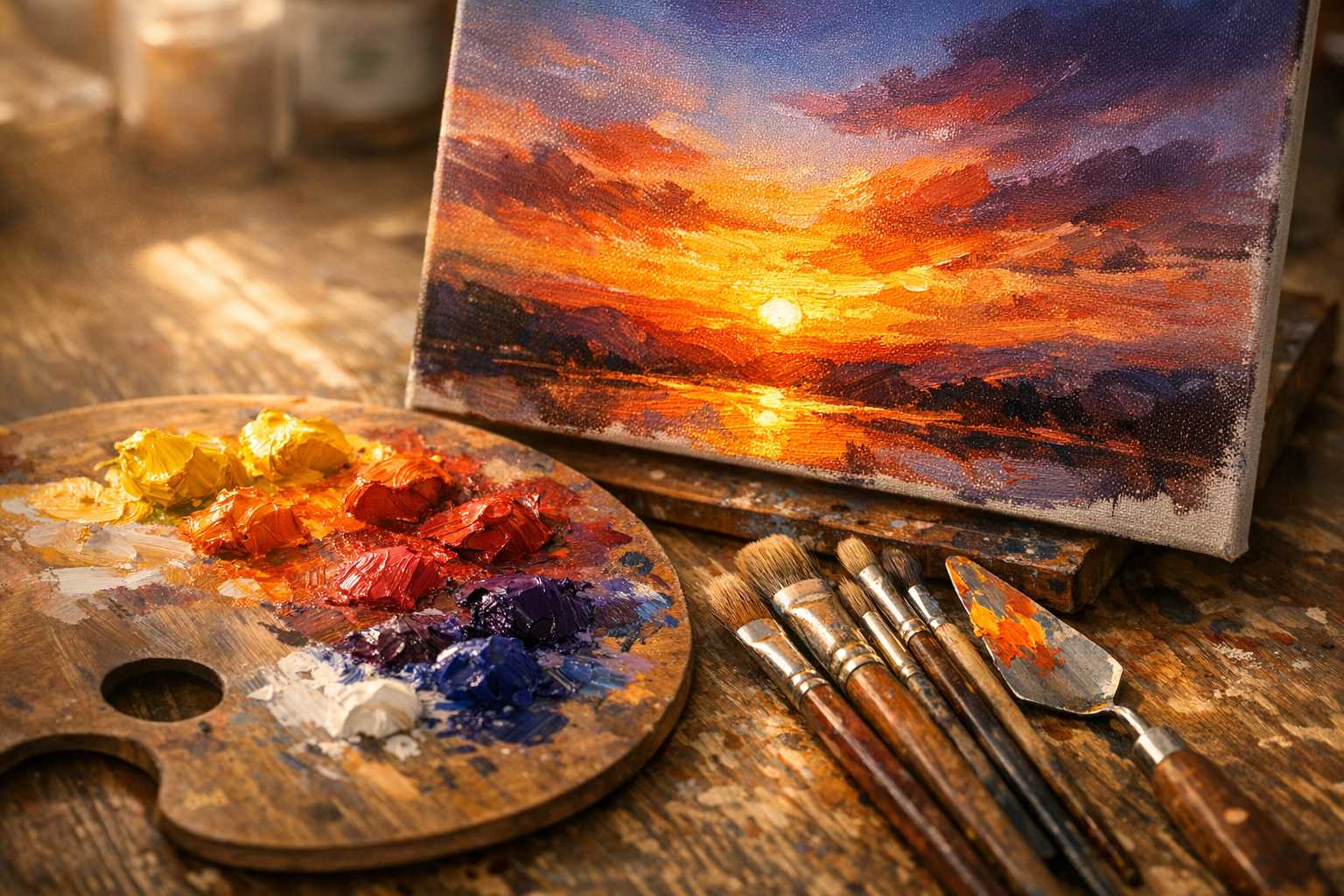
One-layer painting involves applying a single layer of paint directly onto your canvas without creating multiple underlayers. This wet-on-wet methodology facilitates blending of colours as you proceed. This art technique is also known as "alla prima".
What makes it fun? You get to complete your painting all in one go. No delays waiting for paint layers to dry. No intricate color mixing. Just pure, instantaneous satisfaction.
The Benefits of Starting with One-Layer Techniques
One-layer painting provides several advantages for beginners, including:
- Less complexity compared to other painting techniques.
- Rapid results that keep you motivated.
- Naturally enhances your color mixing skills.
- Hastens the development of brush control.
- Offers the freedom to create loose, expressive artwork.
- Requires minimal supplies.
Must-Have Supplies
Before we delve into these painting ideas, ensure you have these essential supplies:
- Canvas or canvas board
- Acrylic or oil paints (primary colors along with black and white)
- Paintbrushes of various sizes
- Palette knife
- Water container (for acrylics) or solvent (for oils)
- Paper towels or rags
- Palette for mixing
15 Beginner-Friendly One-Layer Painting Ideas
1. Simple Sunset Sky
Starting with the timeless sunset scene is always a great choice. It's forgiving and inevitably looks mesmerizing.
Paint horizontal lines across your canvas. Start with yellow at the horizon, blend slowly into orange, then red, and finish with purple at the top.
Work swiftly while the paint is still wet. Avoid overcomplicating it and allow the colors to naturally merge.
2. Misty Mountain Landscape
Mountains are an excellent choice for beginners due to their basic shapes.
Begin with a light wash for the sky. Paint far-off mountains in light blue-gray. For mountains that appear closer, use darker shades. Incorporate a dry brush technique for the effect of mist.
Paint each mountain layer progressively darker as they come closer.
3. Ocean Waves
Water may seem intricate at first, but it's genuinely forgiving.
Start with horizontal strokes for the ocean base. Mix blues and greens directly on your brush. Incorporate white highlights with quick, curved motions for foam. Keep your hand movements relaxed and confident.
4. Fluffy White Clouds
Clouds present an excellent opportunity to practice your blending skills.
Start off with a blue sky. While the paint is wet, introduce white paint gently using a dry brush. Tap and softly blend in. Be cautious to avoid overworking it. Aim for realistic clouds with soft, irregular borders.
5. Forest Silhouette
Silhouettes are beginner-friendly because they don't demand detailed work.
Begin by painting a vibrant sky. While the paint is wet, use a fan brush or palette knife to subtly dab in dark green and black tree shapes. Vary the heights and shapes for a natural tree look.
6. Peaceful Lake Reflection
Reflections may appear intricate but follow straightforward rules.
Begin with your sky and landscape. For the reflection, use similar colors but make vertical strokes downwards. Interrupt the reflection with horizontal lines to represent water movement.
7. Golden Wheat Field
Fields are an excellent opportunity to improve your brush techniques.
Try warm yellows and golds. Make vertical brush strokes of different heights. Mix in some brown and green for variety. Use a fan brush for texture. Keep it relaxed and impressionistic.
8. Snowy Winter Scene
Winter scenes are surprisingly straightforward with one layer.
Begin with a grey-blue sky. Paint dark tree shapes. Introduce white snow using a palette knife or brush. Keep from making it perfectly white - incorporate hints of blue and purple to create shadows.
9. Desert Cactus Landscape
Desert scenes are beginner-friendly because they're inherently simple.
Paint a warm sky with oranges and yellows. Introduce far-off mountains in purple-blue. Paint cactus shapes in dark green. Keep your composition minimal and focus on temperature differences in the colors.
10. Rainy Day Street
A rainy day allows for natural blending.
Incorporate greys and subdued colors. Paint loosely shaped buildings. Add vertical lines while the paint is wet to suggest falling rain. Use a palette knife to scrape in light reflections on wet pavement.
11. Colorful Flower Field
Flowers don’t have to be precise to be beautiful.
Begin with a simple sky. Paint the field in different shades of greens. Introduce flowers with quick touches of your brush. Use contrasting colors for maximum impact. Focus on the relationship between colors, not the intricacies of the flowers.
12. Dramatic Storm Clouds
Storm clouds allow you to explore the depths of value and contrast.
Use varying shades of grey, mixing from black and white. Introduce touches of blue and purple. Paint with firm, confident strokes. Reserve certain areas as lighter for added drama. Avoid blending everything to perfection.
13. Autumn Tree
Autumn colors are intrinsically forgiving and vibrant.
Start with a simple sky. Add a basic tree trunk using brown. Incorporate a fan brush or sponge to dab autumn colors for leaves. Combine layers of reds, oranges, and yellows. Permit colors to naturally mix on the canvas.
14. Rocky Coastline
Rocks are great repositories of form and texture.
Start with sky and water. Paint rock shapes using varying greys and browns. Use a palette knife for texture. Introduce white foam at the interface of water and rocks. Aim for simple, angular rock shapes.
15. Prairie Wildflowers
End on a joyful and loose note.
Paint a simple sky and horizon. Introduce grass using vertical strokes. Add touches of wildflowers using the tip of your brush. Use pure colors directly from the tube. Avoid dwelling on botanical accuracy.
Success Tips
Here are some useful reminders to ensure your success:
- Move quickly: One-layer painting is most effective when your paint remains workable.
- Overthinking is unnecessary: Trust your instincts and embrace happy accidents.
- Bigger brushes are better: They prevent you from getting bogged down in minor details too early.
- Regularly step back: Distance helps you objectively judge your painting.
- Embrace imperfections: Work that’s loose and expressive often appears more appealing than precise, controlled painting.
Common Beginner Mistakes to Steer Clear of
- Overworking the paint: Understand when to step back and let the painting express itself.
- Resorting to tiny brushes: Start with a broad perspective and work towards smaller details if needed.
- Mixing muddy colors: Learn fundamental color theory to retain the vibrance of your colors.
- Being overly cautious: Confident and decisive brushstrokes often look more professional than timid ones.
- Comparison is futile: Your artistic journey is special. Concentrate on your progress, not others'.
Building Your Artistic Skills
Start by executing these simple ideas, but don’t stop there. Each painting you complete will offer new lessons. Pay special attention to what works for you and what doesn't.
Maintain a painting journal. Make notes of the colors you mix and techniques you employ. This aids you in remembering successful combinations.
Most importantly, make sure to paint regularly. Even a mere 15 minutes each day are sufficient to build muscle memory and confidence.
Your Exciting Journey into the World of Art Begins Here
One-layer painting serves as the perfect entryway into the beautiful world of art. These 15 ideas provide a solid foundation for you to build upon.
Remember, every accomplished artist started as a beginner once, painting on simple subjects using basic techniques. Your creative journey is just beginning and that's truly exciting!
Pick up your brush today. Start with an idea that calls out to you. Don’t focus on creating a picture-perfect masterpiece. Rather, focus on enjoying the artistic process and learn something new.
Embark on your artistic adventure today. So, what are you waiting for? Let the canvases fill up! Happy painting!