Easy Finger Painting Ideas: No-Brush Art Projects for Beginners
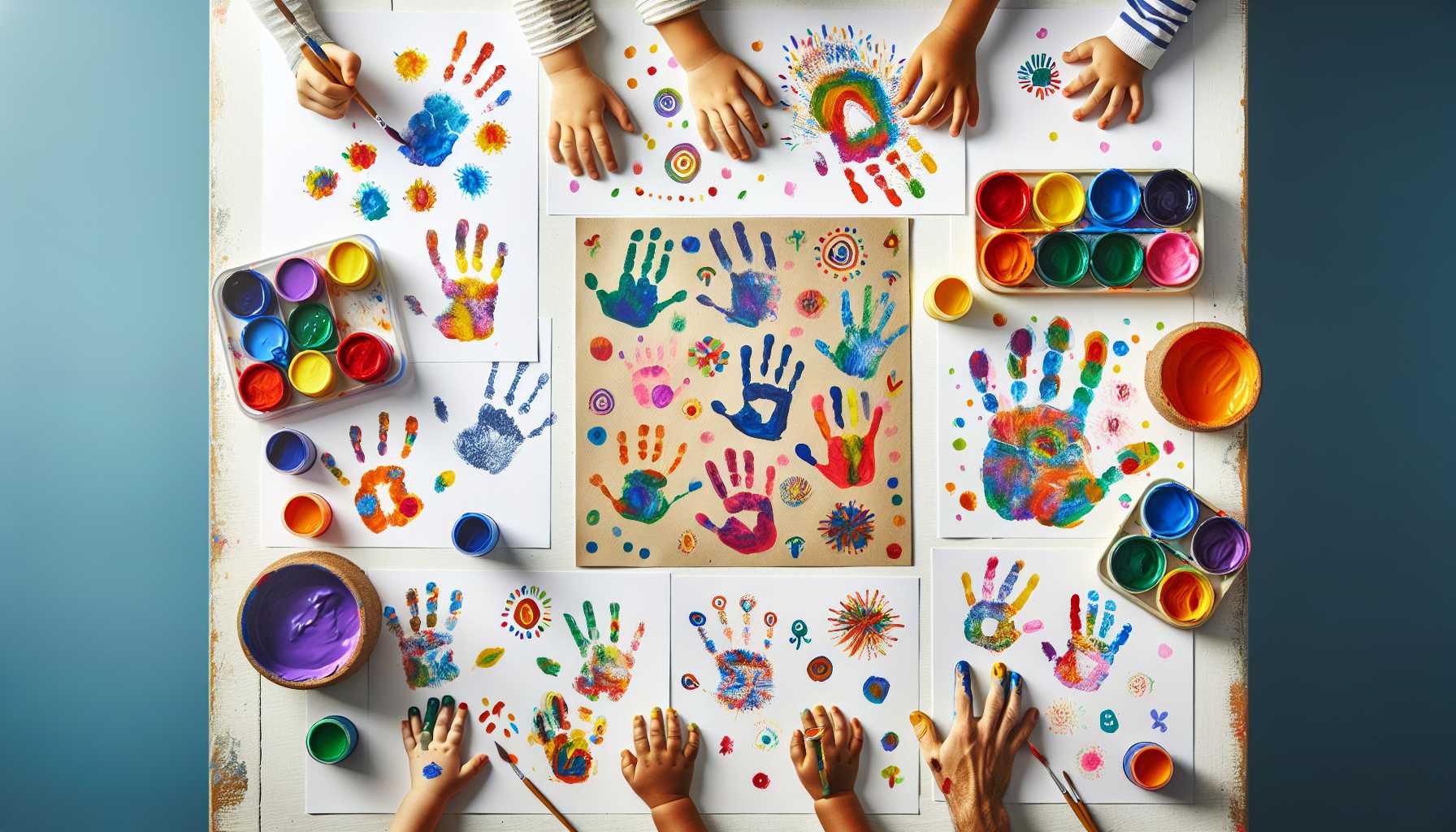
Simple Ideas for Finger Painting: No-Brush Art Activities for Beginners
Are you eager to explore your artistic side but put off by brushes and complicated techniques? Consider the world of finger painting! This enjoyable and interactive form of art needs just your hands and some paint.
Suitable for complete novices or those wanting to have some artistic fun with children, finger painting is a treasure trove of ideas. Let's delve into this world, which will bring out your creative side and be a lot of fun!
Why Should you Opt for Finger Painting Over Traditional Methods?
Finger painting is no longer limited to toddlers. Adults are rediscovering this tactile form of art for a variety of sound reasons.
You'll experience a deep connection with your artwork. There's something enchanting about feeling the paint flow between your fingers. It fosters an intimate relationship between you and your artistic creation.
The technique of finger painting gives you a liberating experience. There's no concern about crafting perfect brush strokes or lines. Your fingers naturally form organic, flowing movements.
Moreover, finger painting is economical—no expensive brushes or specialized tools needed. All you require is paint, paper, and your fingers!
Necessities for Successful Finger Painting
Let's talk about supplies before moving on to projects. The best part is that you likely have most of these items at your disposal already.
Choices of Paint: - Washable tempera paint (ideal for beginners) - Acrylic paint (suitable for more permanent artwork) - Finger paint (specifically designed for hand-based art) - Food coloring combined with pudding (a sane and edible choice for toddlers)
Types of Paper: - Special finger painting paper (comes with a glossy finish) - Watercolor paper (helps absorb paint wonderfully) - Poster board (easy on the pocket and robust) - Canvas boards (for creations meant to be cherished forever)
Additional Necessities: - Paper towels or moist wipes - Water containers for easy cleaning - Aprons or old throw-away clothes - Plastic tablecloth for a quick and hassle-free cleanup
Easy Finger Painting Techniques You Can Master
Let's begin with the elementary techniques that'll help build the groundwork for your finger painting adventure.
The Dot Technique: Imprint your finger in paint then press onto paper. Create patterns, designs or even flowers using colorful dots.
Finger Dragging: Dip your finger in paint and glide it over the paper. This creates enchanting streaks that are ideal for sketching grass, hair, or abstract lines.
Palm Printing: Leverage your entire palm for crafting larger shapes. This technique can be effectively used for creating tree trunks, animal bodies, or even backgrounds.
Smudging Method: Apply paint using your finger and then lightly smudge using another finger. This technique helps create a soft, blended effect that's perfect for presented clouds or shadows.
10 Simple Finger Painting Ideas for First-time Artists
1. Rainbow Handprint Tree
Start with a basic brown tree trunk using your palm print. Supplement it with vibrant fingerprint leaves of rainbow colors on the branches. This project merges various methods and produces an eye-catching piece.
2. Seascape Sunset Scene
Use horizontal finger strokes to a layer sky in hues of orange, pink, and purple. Draw a yellow sun using a thumbprint. Design waves with flowing finger motions in blues and white at the bottom.
3. Flower Garden Masterpiece
Create flower centers with thumbprints. Append petals using fingerprint dots around each center. Sketch stems using the finger-gliding technique in shades of green. Add blades of grass and leaves to complete the garden view.
4. Abstract Color Explosion
This project has no restrictions! Use different fingers to apply colors in a random manner. Smudge some areas while leaving others clearly distinguishable. This technique is perfect for expressing feelings through color and movement.
5. Animal Handprint Collection
Turn handprints into animals. Add details with fingertips to create elephants, birds, or fish. Each finger has the potential to bestow a personality on your artistic creatures.
6. Geometric Pattern Art
Utilize fingertips to design repeating patterns. Make dots, lines, and circles in a structured sequence. This project encourages learning color theory while creating visually appealing artwork.
7. Landscape Silhouettes
Craft mountain silhouettes using the side of your hand. Add a sunset background with horizontal finger lines. Incorporate trees using fingerprint techniques for a complete landscape painting.
8. Underwater Adventure Scene
Paint a blue background using palm impressions. Add fishes using thumb marks and fingertip details. Develop corals and seaweed using different finger techniques.
9. Weather Pattern Painting
Display varying weather conditions using finger methods. Use dots for rain, circular motions for clouds, straight lines for wind, and smudging for fog.
10. Seasonal Tree Collection
Craft four trees demonstrating various seasons. Utilize suitable colors and finger techniques to signify spring blossoms, summer leaves, autumn hues, and winter branches.
Advanced Techniques for Finger Painting
Ready to step up your game? The following techniques will refine your finger painting skills.
Layering Colors: Let one color partially dry then layer with another. This adds depth along with exciting color combinations.
Texture Creation: Leverage different parts of your fingers and hands. Knuckles, fingernails, and edges of the palm all bring unique textures to life.
Negative Space Art: Paint around shapes or objects, leaving certain areas blank. This technique sets up stark contrast and focal points.
Blending Mastery: Work your fingers with wet paint to create smooth color transitions. This method is ideal for sunsets, gradients, and realistic shading.
Suitable Finger Painting Activities for Various Age Groups
Toddlers (Ages 2-4)
Stick with simple shapes and primary colors. Focus more on the sensory experience and less on alignment with specific outcomes. Large paper and washable paints are ideal.
Children (Ages 5-10)
Introduce straightforward scenes and identifiable objects. Handprint animals and basic landscapes work wonders. Foster a habit of story-telling through their artwork.
Teens and Adults
Probe into abstract concepts, multifaceted color relations, and emotional manifestations. Challenge yourself with realistic elements or artistic styles.
Finger Painting Without the Mess
Concerned about a messy aftermath? These tips will help you maintain a clean workspace.
Shield your workspace with plastic tablecloths or newspapers. Secure the edges with tape to prevent displacement.
Ensure wet wipes are within reach at all times. Clean your fingers between colors to prevent unwanted color mixing.
Dispense paint in squeeze bottles. This measures the amount and reduces wastage.
Arrange a nearby washing area. A bowl of water along with towels eliminates unnecessary trips to the sink.
Dress in worn out clothes or aprons, and embrace the untidiness of this art form!
Common Pitfalls and Ways to Prevent Them
Using Excessive Paint: Begin with a small quantity. Always remember, it's simpler to add more paint, but it's tough to get rid of the excess.
Mixing a Plethora of Colors: Initially, limit your palette. Mixing an array of colors can result in dull outcomes.
Working Haphazardly: Be patient. Allow layers to dry as needed for clearer results.
Neglecting to Clean Fingers: Unless desired, clean your fingers between colors to prevent unwanted mixing.
Being Overly Critical: Remember, finger painting is all about expressing oneself and having fun. Embrace the imperfection!
Preserving Your Finger Painting Artwork
Your artistic pieces deserve proper care and display. Here's how to preserve them.
Allow your artwork to dry completely before relocation. Hurrying this process can smudge your hard work.
For temporary display, use painter's tape on walls. It can be removed without damaging the surfaces.
Frame your favorite pieces under glass for permanent display. This protects them from damage and fading.
Click pictures of your artwork before gifting or storing. This will help create a digital portfolio of your finger painting journey.
Store flat artwork nestled between sheets of tissue paper. This avoids sticking and damage.
Healing Benefits of Finger Painting
Apart from creating splendid art, finger painting renders wellness benefits.
Touching the paint helps reduce anxiety and stress. The paint's texture gives sensory feedback that soothes the nervous system.
It promotes mindfulness and present-moment consciousness. You can't finger paint while your mind is preoccupied with other thoughts.
The activity bolsters self-confidence through the sense of achieving something creative. Each piece is uniquely yours and a reason to be proud.
It offers emotional release and a way to express oneself. The colors and movements can signify feelings that are difficult to verbalize.
Taking Your Finger Painting Skills to the Next Level
Ready to broaden your finger painting skills? Consider the following options.
Join local art groups or classes. Numerous community centers provide finger painting sessions for adults.
Experiment with varied surfaces. Test it on fabric, wood, or canvas for diversified results.
Combine finger painting with other forms of media. Add details with markers, crayons, or pieces of collage.
Document your progress with pictures. Observing your improvement over time is extremely motivating.
Share your work online or with friends. The finger painting community is encouraging and accommodating.
Conclusion
Finger painting liberates creativity that traditional methods might restrict. It's affordable, accessible, and immensely rewarding.
Don't let concerns about a mess or your perceived "level of artistic ability" discourage you. Each mark you make contributes to your unique creative journey.
Start with basic projects and gradually challenge yourself with new techniques. Remember—the aim is to enjoy and express yourself, not to seek perfection.
So, grab some paint, roll up your sleeves, and let your fingers do a world of talking. An artistic adventure awaits—you’re about to embark upon a journey that’s going to be beautifully messy!