5 Easy Abstract Painting Ideas Using Basic Shapes
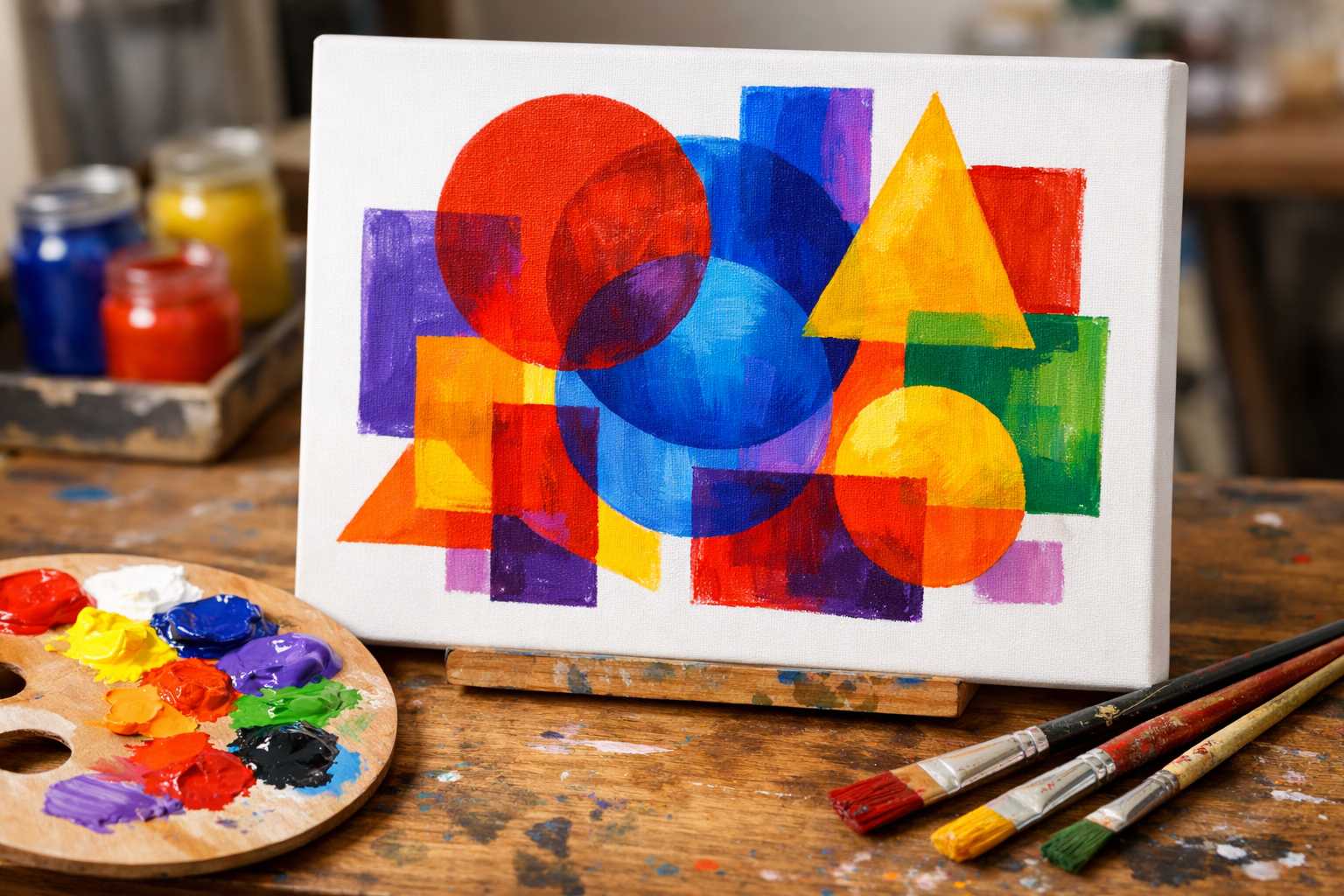
5 Simple Concepts for Creating Abstract Paintings Using Basic Shapes
Embarking on your journey of creating abstract paintings doesn’t have to be daunting. Stunning pieces of art can be created using the most basic shapes that we all know.
I’ve been successful in assisting hundreds of novice artists to explore their creativity. And the secret to achieving this is quite simple - start with the most basic shapes and let your imagination take over.
The Significance of Basic Shapes in Abstract Art
Basic shapes serve as the best beginners' guide. They are familiar, uncomplicated to paint and offer great flexibility.
Circles, squares, triangles, and rectangles can be transformed into exceptional compositions. You are already well-equipped with the ability to draw these shapes - you just need to arrange them creatively.
Even professional artists routinely use basic shapes in their art. Wassily Kandinsky, for example, built his whole career around geometric abstractions. So, by adopting this concept, you are actually following in the steps of the masters!
Preparing Your Art Materials
You don’t need high-end art supplies to get started. Here’s a beginner-friendly list of essentials:
- Canvas or thick paper (11x14 inches is a good size to start with)
- Acrylic paints in primary colors, alongside black and white
- Brushes of various sizes
- Palette for mixing colors
- Water container and paper towels
Keeping it simple should be your go-to strategy. You can choose to upgrade your supplies as you progress.
Idea 1: Using Circles to Create a Composition
The forgiving shapes of circles make them perfect for your first venture into abstract painting.
Try painting circles of different sizes across your canvas. Don't strive for perfection in these circles - even slightly irregular shapes can add a unique appeal.
Use warm colors like reds, oranges, and yellows for certain circles, while you can incorporate cooler blues and greens for contrast. Allowing some circles to overlap will create intriguing colour blends.
For a captivating visual rhythm, paint tiny dots next to larger circles. This will draw the viewer's eye around your painting.
Idea 2: Utilising Triangles for Engaging Energy
Triangles can introduce dynamic energy into your composition. They guide the viewer's attention exactly where you want it to be.
Try creating triangles that point in different directions. Some can be tall and slender, others can be shorter and wider. You can also experiment with solid triangles and those with just outlines.
To add depth and complexity, overlap and intersect your triangles. Where they cross, blend the colors or create mixed hues.
Use complementary colors like purple and yellow, or blue and orange - these combinations will make your triangles stand out on the canvas.
Idea 3: Color Blocks using Rectangles
Consider this idea as a homage to Mondrian. Rectangles and squares introduce a sense of balance and structure in abstract art.
Lightly divide your canvas into differently sized rectangles. The sizes should vary to keep it interesting.
Fill each rectangle with a different color or shade and leave some white or painted in neutral colors like grey or beige to give viewer’s eyes a place to rest.
The 60-30-10 rule is a handy guide; use one dominant color for 60% of your rectangles, a secondary color for 30%, and a distinctive, bold color for the remaining 10%.
Idea 4: Mixed Shape Collaboration
Next, combine all the basic shapes into a single cohesive composition. This is where the real excitement begins!
Start with bigger shapes as your base, then add medium-sized ones on top and finalize with smaller ones as additional details.
Maintain balance in your composition. If you have a dominant circle on one side, use several smaller shapes on the other for proportionate harmony.
Experiment with transparent effects by mixing your paints with some water. Semi-transparent shapes add an element of mystery and depth to your work.
Idea 5: Organic Flow of Shapes
Not all basic shapes need to be rigid. Organic shapes - such as irregular circles or flowing rectangles - can introduce a softer touch to your work.
Allow your brush to make fluid movements to create shapes that resemble clouds, flowers, or water ripples using your knowledge of basic shapes.
For beautiful colour transitions, blend the colours while they are still wet - this technique is known as "wet-on-wet".
You could use cooler hues like blues and greens for a soothing touch, or warm colors like reds and oranges for a vibrant feel.
Essential Tips for Success
Remember these key tips when painting:
Start with lighter shades, then gradually add darker ones. Darkening colors is often easier than lightening them.
Regularly step back and look. Viewing your work from different distances helps to assess its development.
Avoid overthinking. Abstract art is all about expression and feelings, not aiming for perfection.
Take frequent short breaks. The fresh perspective often helps to identify what your painting could benefit from.
Document your progress. Click pictures at various stages of your work. You'll be pleasantly surprised by your improvement!
Common Pitfalls for Beginners
All artists stumble occasionally - it’s part of the learning process. Here are some common mistakes to avoid:
Overusing colors. Start with 3-4 colors and introduce more as you progress.
Making all elements the same size. Diverse shape sizes add visual intrigue.
Centering everything. Off-center compositions are often more dynamic.
Fear of overlap. Overlapping shapes enhance depth and complexity.
Conclusion
You now have five fantastic ideas to ignite your abstract painting journey. Choose the one that resonates with you the most and immerse yourself in the world of shapes and colors!
Remember, there's no "wrong" way to create abstract art. Each painting is a meaningful step towards developing your distinct style.
Share your work with friends and family - they might just find themselves captivated by your handmade art, especially when it's crafted with love.
Most importantly, enjoy every step of this process. Your abstract painting venture should stimulate joy and relaxation. Allow those basic shapes to lead you towards fascinating artistic discovery.