Monochrome Painting Guide: Single Color Art for Beginners
Beginner's Guide to Monochrome Painting: Embracing the Power of Single Color Art
Paintings that utilise a single color can undoubtedly captivate and be immensely powerful. Delve into the mesmerising world of monochrome artistry, an extremely expressive genre that's intriguing yet elegantly simple.
Unraveling the Concept of Monochrome Painting
A monochrome painting comprises solely one color along with its various shades and tones. Picture it as painting with diverse degrees of a single color. It's not just about black and white, although they're a popular choice.
Monochrome creations are centuries old, from ancient cave paintings to present-day abstract productions. Its perennial charm rests in its simplicity. There is no concern over color combinations; instead, the focus lies on elements like form, texture, and composition, making it an excellent starter point for novices keen to hone fundamental painting skills.
Why Opt for Monochrome Art as a Novice?
Embarking on your artistic journey with monochrome painting presents several benefits. Firstly, it spares you the complications of color theory, sparing you the hassle of coordinating colors.
Secondly, you only require a single color paint in addition to black and white for mixing, making it a cost-effective option for learners.
Lastly, monochrome art enhances your ability to discern values, as in how light or dark an object appears. This competency will prove valuable in all your future artworks, even when you incorporate more colors.
Several renowned artists, like Pablo Picasso during his Blue Period, began their journey with monochrome studies. Today, numerous professional artists rely on monochrome sketches to plan their vibrant, multicolored paintings.
Crucial Materials for Embarking on Monochrome Painting
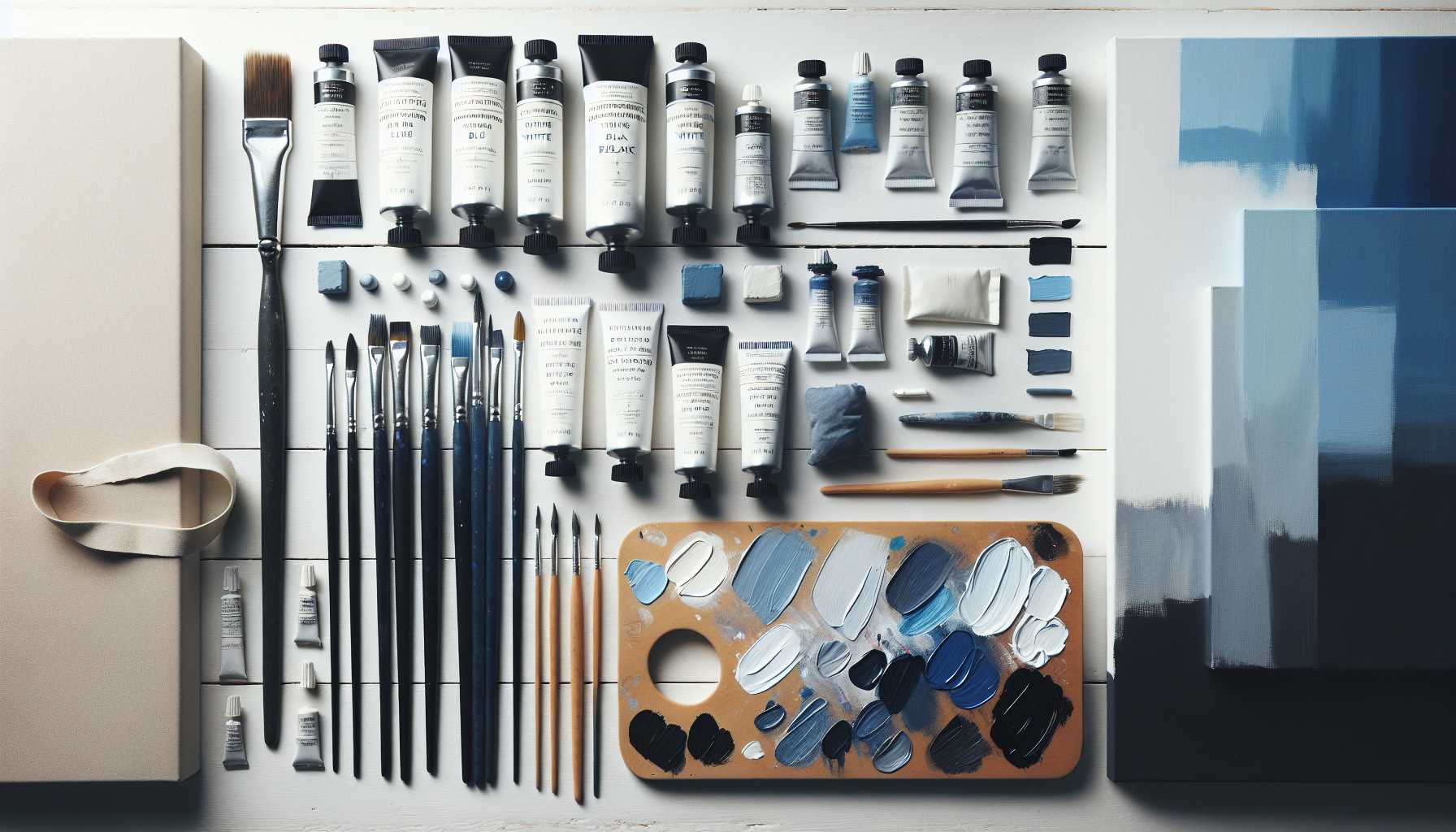
Kick-starting your monochrome painting journey doesn't necessitate costly supplies. You'll require the following for your venture into monochrome art:
Paints: - One color of choice (ultramarine blue proves beginner-friendly) - Titanium white - Ivory black or burnt umber for darker tones
Brushes: - Flat brush (size 6 or 8) - Round brush (size 4 or 6) - Detail brush (size 2)
Surfaces: - Canvas boards or stretched canvases - Heavy watercolor paper (if applying water-based paints)
Additional tools: - Mixing palette - Palette knife - Rags or paper towels - Water container (for water-based paints) - Medium (for oil-based paints)
For absolute beginners, acrylic paints are ideal as they dry fast and clean easily with water. Whereas, oil paints offer prolonged working time albeit necessitating solvents for cleaning and taking longer to dry.
Fundamental Techniques for Creating Single Color Art
Grasping Value Scales
Before commencing your painting, create a value scale. By mixing your chosen color with white, you can create lighter shades, and blending it with black or a darker color will result in shadows.
Strive for a minimum of seven different values from light to dark on your scale. This will equip you with a substantial range to utilize in your paintings.
Wet-on-Wet Approach
For achieving smooth transitions, apply wet paint onto already wet areas. Heaven, water bodies, or any part needing subtle edges are suitable for this technique.
However, this method requires speedy work due to the brief window of the paint's workability. Embrace the spontaneous flow and fret not if it's not flawless!
Dry Brush Method
This technique involves using a brush with minimal paint to generate textured effects, making it ideal for creating rough surfaces like tree bark or rocky textures.
Lightly load your brush and sweep it across the surface. The raised areas capture the paint, forming intriguing patterns.
Layering and Glazing
Construct your painting via layers. Start with lighter shades and progressively incorporate darker ones on top, enriching your artwork depth and richness.
When glazing, dilute your paint and add transparent layers. Each layer needs complete drying before the next application.
Step-By-Step Process Towards a Monochrome Painting
Step 1: Select Your Theme
Choose a simple subject for your pioneer monochrome painting. An uncomplicated landscape, a common still life, or a solitary piece of fruit will work perfectly.
Avoid subjects with intricate details initially. Give precedence to comprehending basic shapes and values.
Step 2: Sketch a Rough Outline
Draw a light sketch of your subject on the canvas, focusing just on basic shapes and proportions. Don't fret about specifics.
Use a light pencil or thin mixture of paint for this step, making the sketch barely noticeable.
Step 3: Designate Your Extreme Values
Recognize the darkest and lightest portions in your subject and paint them first to establish your value range.
All others will lie somewhere between these extremes, creating a schematic plan guiding your painting.
Step 4: Progress from Light to Dark
Typically, darkening an area is more manageable than lightening it. Start with your milder mid-tones, slowly transitioning towards darker shades.
Abstain from jumping to the darkest shades imminently. For better control, accumulate darkness gradually.
Step 5: Refine and Infuse Details
Once your key values are set, begin refining edges and introducing details. Use smaller brushes for this conclusive step.
Regularly step back to assess the overall composition. Remember, in monochrome painting, sometimes less is more.
Prevalent Mistakes and Their Solutions
Mistake 1: Lacking Value Contrast
Many beginners end up creating paintings that look flat and dull due to similar values.
Solution: Enhance contrasts by brightening lights and darkening shades. Don't shy away from striking contrast as it adds visual appeal.
Mistake 2: Overworking the Paint
Over-manipulation of areas until they become muddy is common.
Solution: Take breaks from your painting periodically. A fresh perspective will help determine when an area is complete.
Mistake 3: Disregarding Edges
Uniform hard edges wreak havoc on a painting's fluidity. Soft ones infuse life and movement into your artwork.
Solution: Mix and match your edges. Reserve hard edges for vital focal spots and soft ones for less important areas.
Mistake 4: Commencing Too Dark
Over-darkening from the outset could make lightening difficult. Many beginners imbue their initial washes with extreme intensity.
Solution: Start lighter than you deem necessary. You can always add more paint, but subtracting excess is arduous.
Boosting Creativity: Inspiration and Subject Ideas
Landscapes
Monochrome landscapes exude timeless and dramatic qualities. Practice with a simple mountain or seawater scene, focusing on the primary shapes of land, water, and sky.
Fog and mist translate beautifully in monochrome, reducing the color spectrum naturally.
Portraits
Monochrome portraits could be incredibly powerful. Begin with a fundamental profile or three-quarter view. Concentrate on basic light and shadow patterns on the face.
Initially, don't obsess over achieving an exact resemblance. Rather, focus on capturing the overall structure and personality.
Objects for Still Life
Select a few simple items with intriguing shapes. Bottles, fruits, or kitchen utility items are great examples. Place them near a window to leverage natural lighting.
Choose items with different textures to practice a variety of painting techniques.
Abstract Compositions
Realistic subjects are not your sole option. Abstract monochrome paintings can be equally captivating, focusing on shapes, textures, and the juxtaposition of light and dark tones.
Allow your intuition to shepherd you. The most fascinating creations occur when you refrain from overthinking.
Tips for Succeeding in Monochrome Painting
Maintain Regular Practices
Painting skills refine with regular practice. Allocate just 15-20 minutes a few times a week, and you'll see noticeable differences.
Keep a little sketchbook handy for swift monochrome studies. These mini artworks necessitate minimal setup duration and are excellent means of practice.
Analyze Masterpieces
Study monochrome masterpieces by eminent artists. Comprehend how they handle values, edges, and composition. Try duplicating small sections to gain an in-depth understanding of their techniques.
Don’t regret copying for learning purposes, as artists have done this for centuries.
Frequently Squint
Squinting can help observe large value patterns undistracted by minute details. It’s a simple technique that enhances your potential to perceive the fundamental aspects of your theme.
If a detail disappears when you squint, chances are it's not crucial to your painting.
Embrace Simplicity
Refrain from including all visible details. Monochrome painting is more about hinting and giving an impression, and not striving for an exact representation.
Leave some patches undefined to stimulate the viewer's imagination.
Document Your Progression
Photograph your artwork in various stages. This not only helps track your progress but aids in understanding your painting process better.
Early attempts might be less than perfect, but that's part of the learning journey. Know that every professional artist has created artwork they aren’t proud of.
Continuing Your Monochrome Adventure
Monochrome painting isn't merely a stepping stone to multicolored work. Several artists specialize in it, owing to its unique expressive potential.
As you grow comfortable with single colors, plunge into exploring different tones, perhaps a warm monochrome painting using burnt sienna or a cool one with ultramarine blue. Experimenting with different painting mediums like watercolor, oil, and acrylics can also open up new creative avenues for monochrome artwork.
Remember, it's not obligatory to incorporate more colors into your artwork hastily. First, master the fundamentals with monochrome painting. The skills acquired will elevate your craftsmanship, whether you employ one or multiple colors.
In Conclusion
Monochrome painting simplifies the artistic process while imparting necessary skills such as understanding value relations and composition. It’s an ideal entry point into the magical world of art.
Don't be disheartened if your initial efforts don’t meet your expectation of perfection. Each brushstroke provides a learning experience. Rather than seeking perfection, emphasize enjoying the creative process.
Monochrome art's true beauty lies in its potential to deliver emotions and meanings with minimalistic means. Sometimes simplicity makes the most profound impact.
Embark on your monochrome painting journey today. Grab a single color, white, and black paint, and start experimenting. It's remarkable what you can manifest with such rudimentary materials.
Remember, every master artist began as a beginner. Your journey towards mastering monochrome painting kicks off with that first brushstroke. Happy painting!