Negative Space in Fluid Art: Creative Techniques Guide
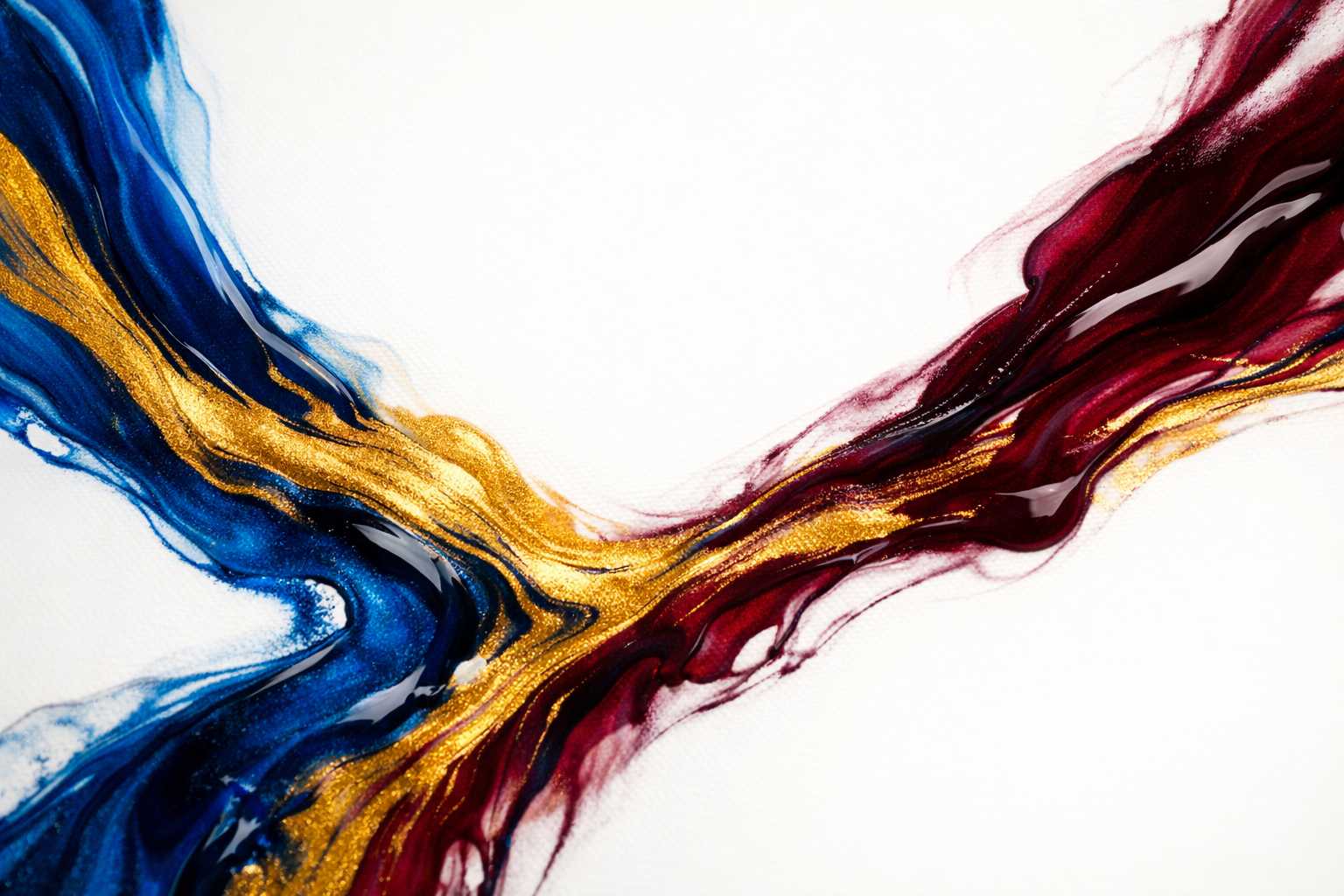
A Comprehensive Guide to Employing Negative Space in Fluid Art: Creative Techniques Explored
Ever wondered why some fluid art pieces seem to strike a perfect balance, mesmerizing the viewer? The magic usually lies in the skillful use of negative space.
Negative space is more than just blank areas in your artwork. It's a robust design element capable of transforming your fluid art pieces from satisfactory to breathtakingly brilliant.
Join us as we explore the fascinating world of negative space and unveil how you can employ it to craft more impactful fluid art pieces.
Understanding Negative Space in Fluid Art
Negative space signifies the unpainted or blank portions of your artwork. Essentially, it refers to the space surrounding and nestled between the primary design elements.
Consider it as the pause in your creation. These areas provide a resting point for the viewer's eyes, enhancing the appreciation of the fluid art piece.
In fluid art, negative space may be: - Unoccupied portions of the canvas - Transparent sections of resin - Spaces nestled between the trails of paint - Areas where the base color continues to be visible
Novice artists often feel compelled to cover every segment of the canvas. However, seasoned artists realize the potency of empty space, appreciating that it can possess equal impact to filled areas.
The Crucial Role of Negative Space in Your Fluid Art
Negative space performs several key functions in fluid art creation.
Establishing Visual Equilibrium Uncolored areas serve to harmonize the bustling, paint-loaded portions of your artwork. This prevents a feeling of chaos or an overwhelming effect in your creation.
Directing the Viewer's Gaze Well thought out negative space can guide the viewer's attention throughout your composition. This engenders a visual narration that amplifies the overall viewing experience.
Provoking Drama and Impact At times, the areas you leave unpainted end up being more remarkable than those you do paint. Negative space can carve out dramatic contrasts and focal points.
Highlighting Your Primary Elements Unoccupied space causes painted portions to appear more prominent. It's like beaming a spotlight onto your striking paint flows.
Strategizing Your Negative Space Before Deciding to Paint
Astute artists conceptualize their negative space before they start the painting process. This results in more organized and effective compositions.
Outline Your Ideas Initially Utilize a pencil and paper and sketch a rough outline of your preferred painted and empty spaces.
Don't fret about drawing perfect details. Concentrate on achieving a general balance and flow between positive and negative spaces.
Implement the Rule of Thirds Divide your canvas into nine equal sections using imaginary lines. Align important elements and negative spaces with these lines to enable a superior composition.
Reflect on Your Canvas Orientation Vertical canvases suit flowing negative space, whereas horizontal formats pair well with wide-ranging empty areas.
Think in Terms of Proportions Strive for an unequal balance between colored and empty areas. A 60/40 or 70/30 ratio typically works better than a 50/50 split.
Masking Methods for Distinct Negative Space
Masking aids you in carving out sharp, purposeful negative space in your fluid art pieces.
Painter's Tape Technique Adopt high-quality painter's tape to define areas you want to leave paint-free. For unblemished lines, remove the tape while your paint is marginally wet.
Contact Paper Stencils Cut shapes out of contact paper and attach them to your canvas. This method is excellent for creating geometric negative spaces.
Wax Resist Strategy Apply candle wax to places where you don't want the paint to adhere. The paint will naturally circumnavigate these waxed segments.
Vinyl Decal Masking Employ vinyl decals or stickers as temporary masks. They're easy to detach and result in intriguing negative space shapes.
Collaborating with Inherent Paint Flow Patterns
Occasionally, the most effective negative space arises when you collaborate with your paint's inherent behavior.
Embrace Paint Separation Certain paint combinations tend to naturally separate, forging organic negative spaces. Instead of resisting this, harness it to your advantage.
Regulate Your Paint Consistency Thicker paints lead to more defined edges and clearer negative spaces. Thinner paints generally blend and seep into empty areas.
Employ Gravity Judiciously Tilt your canvas to direct paint flow away from spaces you want to retain as negative space.
Impact of Temperature Warmer paints spread more freely. Cooler paints are denser and easier to manipulate around negative space regions.
The Impact of Color Contrast on Negative Space
The interaction between your painted and negative space translates into visual resonance via contrast.
Contrasts of Light vs. Dark Dark negative spaces cause light paint hues to leap off the canvas. Light negative spaces establish drama when juxtaposed with dark paint trails.
Interplay of Warm vs. Cool Tones Cool negative spaces (greens, blues) cause warm painted portions (oranges, reds) to appear more dynamic.
Dialed-up vs. Dial-down Color Vibrancy If you use bright, saturated colors in your painted parts, contemplate utilizing neutral or white negative spaces for balance.
Avoiding Common Mistakes with Negative Space
Learning from prevalent mistakes can guide you towards creating superior fluid art pieces.
Avoid Overfilling Fight the urge to paint every blank patch. Often, it's better to leave some spaces empty.
Designing Too Tiny Negative Spaces Tiny negative spaces may seem unintentional rather than deliberate. Be brave and audacious with your empty spaces.
Neglecting Edge Treatments Focus on the point where your negative spaces encounter the edges of the canvas. Clean, purposeful edges add a professional touch.
Overlooking Shape Diversity Vary your negative space shapes. Blend organic curves with geometric angles to heighten visual intrigue.
Advanced Negative Space Techniques
Ready to elevate your negative space skills? Consider these sophisticated techniques.
Layered Negative Space Carve out negative space in multiple layers. Apply paint, let it dry, then mask fresh areas for more negative space layers.
Textured Negative Space Introduce texture paste or modeling compound to your negative space. This introduces physical depth and visual fascination.
Integrating Metallic Accents Incorporate metallic leaf or paint into certain negative space areas. This crafts luxury focal points within your piece.
Combined Mediums Incorporate additional art materials like charcoal, pastels, or markers into your negative space.
Essential Tools to Craft Outstanding Negative Space
The proper tools can ease the crafting of negative space, rendering the process simpler and more accurate.
Critical Masking Tools - Superior quality painter’s tape - Craft knives for exact cuts - Burnishing tools for flat tape edges - Plastic scrapers for unblemished removal
Flow Control Tools - Hair dryers to guide paint flow - Straws to blow paint from specified areas - Palette knives to manipulate paint - Squeeze bottles for controlled application
Assessing the Success of Your Negative Space
Revisit and rate the efficacy of your negative space by considering these factors.
A Check for Visual Equilibrium Does your creation feel balanced, or do the painted segments drown out the composition?
Observing Smooth Eye Flow Does your gaze navigate smoothly across the piece, or does it get snared in a particular section?
The Emotional Influence Do the negative spaces elevate the mood and sensation of your artwork?
Analyzing Technical Implementation Are the edges of your negative space clean and purposeful in appearance?
Improving Negative Space Techniques through Practice Exercises
Frequent practice can help you perfect your negative space techniques.
Regular Sketching Carve out 10 minutes each day to sketch compositions that accentuate negative space. Focus on harmony and flow.
Incorporating Single Color Studies Craft fluid art pieces using merely one paint color plus negative space. This will push you to depend on composition rather than color diversity.
Exploring Shape Experiment with various negative space forms: circles, triangles, organic shapes, and linear elements.
Exercise in Size Variation Recreate the same composition using different negative space proportions. Compare the visual impact of each rendition.
Bringing It All to Fruition
Mastering the use of negative space in fluid art demands patience and consistent practice. Begin with elementary compositions, then gradually strive for more intricate designs.
Bear in mind that negative space isn't just an unfilled space - it's an active participant in your composition. Every unoccupied space should fulfill a purpose in your overall design.
And what's the most crucial tip? Trust your instincts. If a negative space seems right to you, it probably is.
Your fluid art journey is personal to you. Experiment with these techniques and develop your distinct style of using negative space.
Pumped to create your next masterpiece? Gather your supplies, start strategizing those effective vacant spaces, and craft unforgettable fluid art.