Pop Art Painting: Contemporary Style and Method Guide
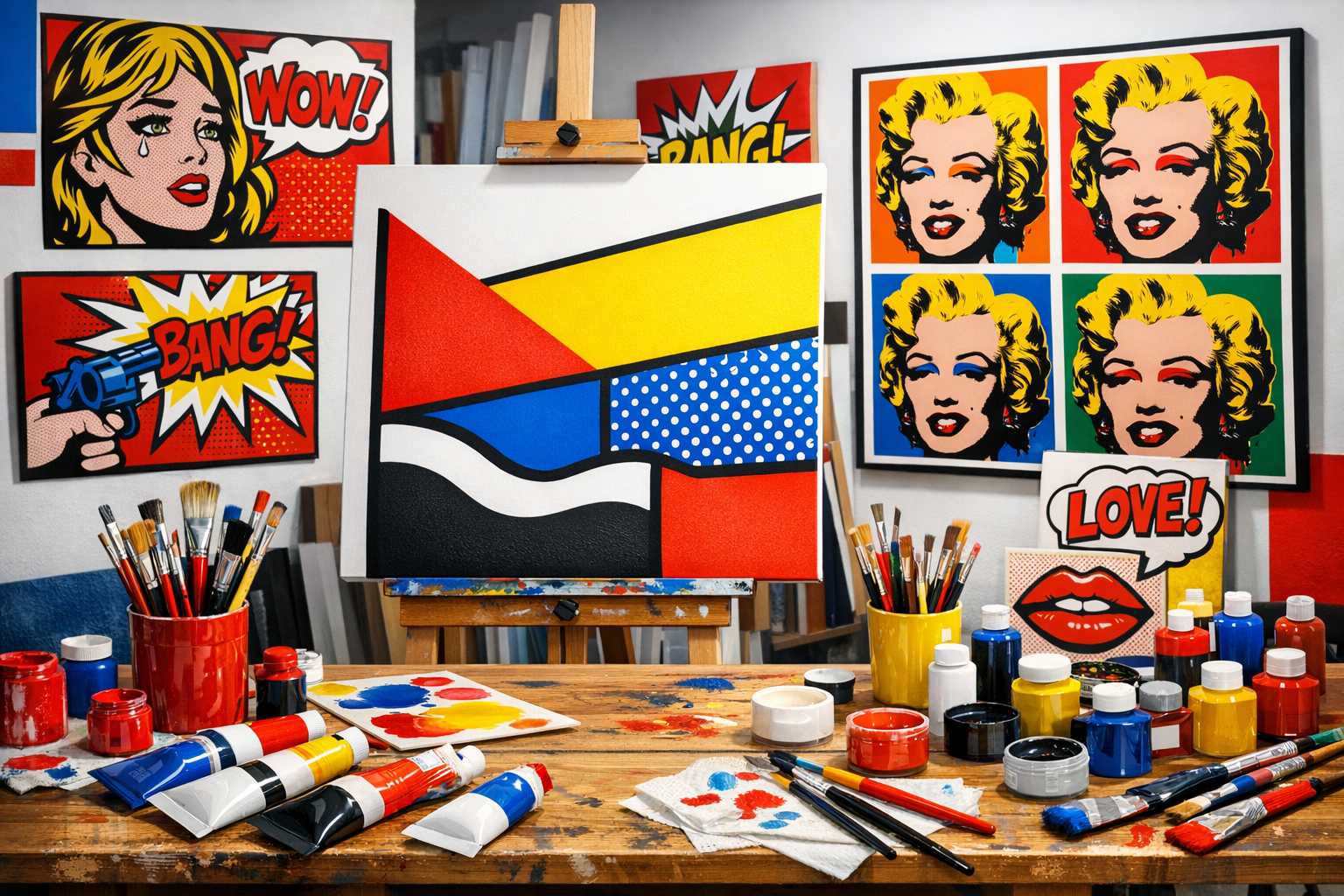
A Guide to Pop Art Painting: Its Contemporary Style and Methods
Pop art painting continues to dazzle artists and art enthusiasts around the globe. This vibrant artistic movement has the creative prowess to transform mundane subjects into striking visual representations.
Whether you've just started exploring art or have been in the field for some time, pop art offers limitless possibilities.
Join us as we explore the alluring realm of pop art painting and learn how to create your own extraordinary pieces.
The Unique Appeal of Pop Art Painting
Pop art surfaced in the 1950s as a revolt against the conventional norms of fine art. Renowned artists such as Andy Warhol and Roy Lichtenstein transformed everyday items into notable creations, taking soup cans, comic strips, and celebrity portraits to elevated heights in the art world.
The allure of pop art lies in its accessible nature. You don't need exhaustive classical training to begin creating. This form of art relishes in popular culture and commercial imagery, making it universally appealing.
Modern-day pop art painting merges conventional techniques with various digital inspirations. Elements like social media icons, memes, and contemporary celebrities become subjects of artistry, keeping this style fresh and pertinent even decades after its inception.
Key Techniques in Pop Art Painting
Vibrant Colors
Pop art seizes attention through the medium of vibrant colors. Think along the lines of bright reds, electrifying blues, and bold yellows. Using colors that might initially appear "too loud" is precisely the point.
Use contrasting colors to make your painting elements come alive on the canvas; for instance, a bright yellow background can make crimson text stand out, while blue and orange combinations can create a dynamic tension that's visually engaging.
Opt for a limited color palette for more significant impact. Limiting your palette to three or four bold colors often proves more effective than a rainbow of shades.
Screen Printing Effects
Screen printing techniques for reproducing images were widely used by many pop artists. You can imitate this effect using everyday paints and creating stencils for uniform shapes and text.
Layer different colors to achieve a flat, commercial appearance; subtle gradations you'd typically see in traditional paintings should be avoided. After all, pop art thrives on an artificial and mechanical aesthetic.
Practicing clean, sharp edges is an essential element in pop art. For crisp lines and geometric shapes, items such as masking tape can be your go-to tool.
Ben Day Dots and Patterns
Ben Day dots, made famous in the realm of pop art by Roy Lichtenstein, are small dots used to create effects of shading and texture. You can create these by hand, or for a consistent look, use stencils.
Different dot sizes can be used to represent light and shadow. Larger dots can give an impression of darker areas, while smaller, well-spaced dots can highlight.
Experimenting with other patterns is also encouraged. Stripes, crosshatching, and geometric shapes can all contribute positively to your pop art composition.
Materials for Contemporary Pop Art
Traditional Paint Tools
Acrylic paint is ideal for pop art painting, as it dries swiftly while maintaining the vibrancy of the colors. It's versatile enough to allow both flat coverage and textured effects.
Oil paints, while having a longer drying time, are excellent for rendering subtle color transitions. Poster paints and gouache are beginner-friendly and offer great coverage while creating the sought-after commercial look.
Integration of Digital Modernity
Many contemporary pop artists merge digital and traditional methods. Digital elements are printed and painted over, opening up exciting, creative possibilities.
Using photo editing software can aid in planning your compositions. Printing reference images augmented with high contrast can guide the painting process. QR codes, social media icons, and digital glitch effects can serve as perfect elements for contemporary pop art.
Choosing the Right Canvas and Surfaces
Stretched canvas is typically preferred for most pop art projects. For clean, sharp details, go with smooth surfaces. Canvas boards are budget-friendly for practice and experimentations.
Alternative surfaces like wood panels or metal sheets can also be considered. These can add an edge to pop art pieces, rendering the art an industrial feel.
Planning Your Pop Art Composition
Selecting Your Subject Matter
Begin with subjects you find personally interesting. Pop art is most impactful when there is a real connection between the artist and the imagery. As an artist, your passion will indeed reflect in the final piece.
Choose subjects that naturally have a strong visual impact. High contrast photographs, simplified shapes, and multiple images in one composition work well in pop art paintings.
Simplifying Complex Images
Simplicity is at the heart of pop art. Complex photographs can be reduced to key elements, dwelling on strong shapes and clear focal points. Discard unnecessary details that don't complement the composition.
High contrast adjustments to separate light and dark areas can also make your decision-making process easier when painting.
Color Planning Strategies
Engage in small color studies before you start your final painting. Testing different color combinations on paper can save both time and materials in the long run.
Consider the psychological impact of your color choices. Warm colors can create an energetic and exciting vibe, while cool colors suggest a calming or melancholic mood.
Take into account where you plan to display your painting. The colors should complement the intended space while preserving the bold pop art character.
The Pop Art Painting Process Step by Step
Drafting and Layout
Start with rough sketches to experiment with different composition ideas. At this stage, focus on the overall balance and visual progression rather than perfecting the details.
Once you've selected the best draft, use light pencil marks to transfer it onto the canvas. Keep the construction lines to a minimum, as pop art prefers a clean look.
Plan the sequence of your painting according to the color relationships and overlapping components in your work.
Constructing Color Layers
Begin by painting the background colors and progressively work towards the forefront. Pop art usually employs flat color areas, without the traditional modeling or shading seen in other art forms.
Focus on applying the paint with confidence, using clear brush strokes. Pop art appreciates the handcrafted quality that showcases the artistic process.
Ensure each color area is completely dry before adding adjacent color, to prevent unwanted color blends and maintain color purity.
Implementing Details and Final Touches
Save the finer details for the last stages. Add text, small patterns, and accent colors towards the end.
Use smaller brushes for precision while preserving the bold character of the pop art style. Even details should have notable presence.
Continually step back to assess the overall impact of your art piece. Pop art should make a clear impression from a distance, revealing finer details up close.
Common Mistakes in Pop Art Painting
Overly Complex Design
Many new pop artists often make the mistake of trying to incorporate too many elements. Pop art as a style values simplicity and directness. Remember that less is more, avoiding muddy color mixes that can take away from the vibrant aesthetics of pop art.
Exclude any details that don't support your composition's primary message. Each element in your artwork should justify its presence.
Missteps in Color Choice
Applying too many colors can lead to visual pandemonium. Opt for a limited palette for a stronger impact and superior color coordination.
Avoid colors that are too delicate or muted; bold, assertive color choices are at the heart of pop art.
Balance your use of black and white carefully. Excessive use of black can weigh down the composition, while insufficient contrast can lead to details fading away.
Technical Difficulties
Rushing the painting process often results in substandard results. Set aside adequate time for proper preparation and planning stages.
Neglecting to manage the consistency of the paint affects both coverage and appearance. For instance, thin paint will not provide the solid colors needed in pop art.
Failing to plan the order of applying the paint can lead to overlapping area issues and color contamination.
Honing Your Pop Art Style
Learning from the Masters
Explore the works of pop art pioneers such as Andy Warhol, Roy Lichtenstein, and Keith Haring. Notice how they transformed complex subjects into potent portrayals.
Observe the different artist's approach towards color, composition, and subject matter. Each artist, despite staying within the boundaries of pop culture, developed their unique approach to the style.
Whenever possible, make visits to museums and galleries. Experiencing pop art in person can shed light on details and techniques you might not notice in digital reproductions.
Cultivating a Personal Artistic Expression
Start by imitating techniques from the artists you appreciate. This builds essential technical skills and understanding of pop art principles.
Gradually incorporate your interests and world-view. What elements of modern culture draw your attention?
Experiment with diverse subjects and use of color. Your unique experiences and insights will inherently influence your artistic development.
Impact of Contemporary Influences
Modern-day pop art can incorporate elements like social media, technology, and present-day events. Think about how digital culture can impact visual communication.
Study the work of contemporary pop artists who are reinterpreting classic pop art principles in the present times.
Consider what sets your generation's experience apart. These insights can bring authenticity to your pop art expression.
Showcasing and Sharing Your Pop Art
Thoughts on Presentation
Pop art is usually more compelling with simple and clean presentation. Avoid elaborate frames that rival the bold imagery.
Consider the surroundings when deciding on your artwork. Pop art should command attention in the space it is displayed.
Proper lighting can enhance the vibrant colors and crisp details in pop art. Ensure appropriate lighting when showcasing your art.
Digital Archiving
Document your completed works using proper lighting and true color iteration. High-quality documentation supports your portfolio creation and online sharing.
Social media platforms are excellent venues for sharing your work. The graphic and vibrant aesthetics of pop art perform well in digital formats.
Consider creating time-lapse videos of your painting process. These informative videos can help engage your audience and build a following.
Establishing an Audience
Consistently share your work to create recognition and a following. Consistency is key to establishing your artistic identity and brand.
Interact with other artists and online art communities. The accessible nature of pop art makes it perfect for social media engagement.
Take part in your local art shows and exhibitions. Pop art's general appeal makes it a suitable choice for various venues and diverse audiences.
Conclusion
Pop art painting is an exceptional segue into contemporary art creation. Its vivid colors, straightforward techniques, and cultural resonance make it an ideal choice for artists of today.
Remember, pop art appreciates and celebrates individuality within established frameworks. Use these techniques as starting points for your innovative exploration in the art world.
Begin with smaller projects and gradually hone your skills and personal style. The first significant step is starting your journey into pop art painting now.
Combine your unique perspective with pop art's dynamic methods to create compelling, engaging artwork that connects with a modern audience.