Botanical Line Art: Minimalist Plant Drawing Guide
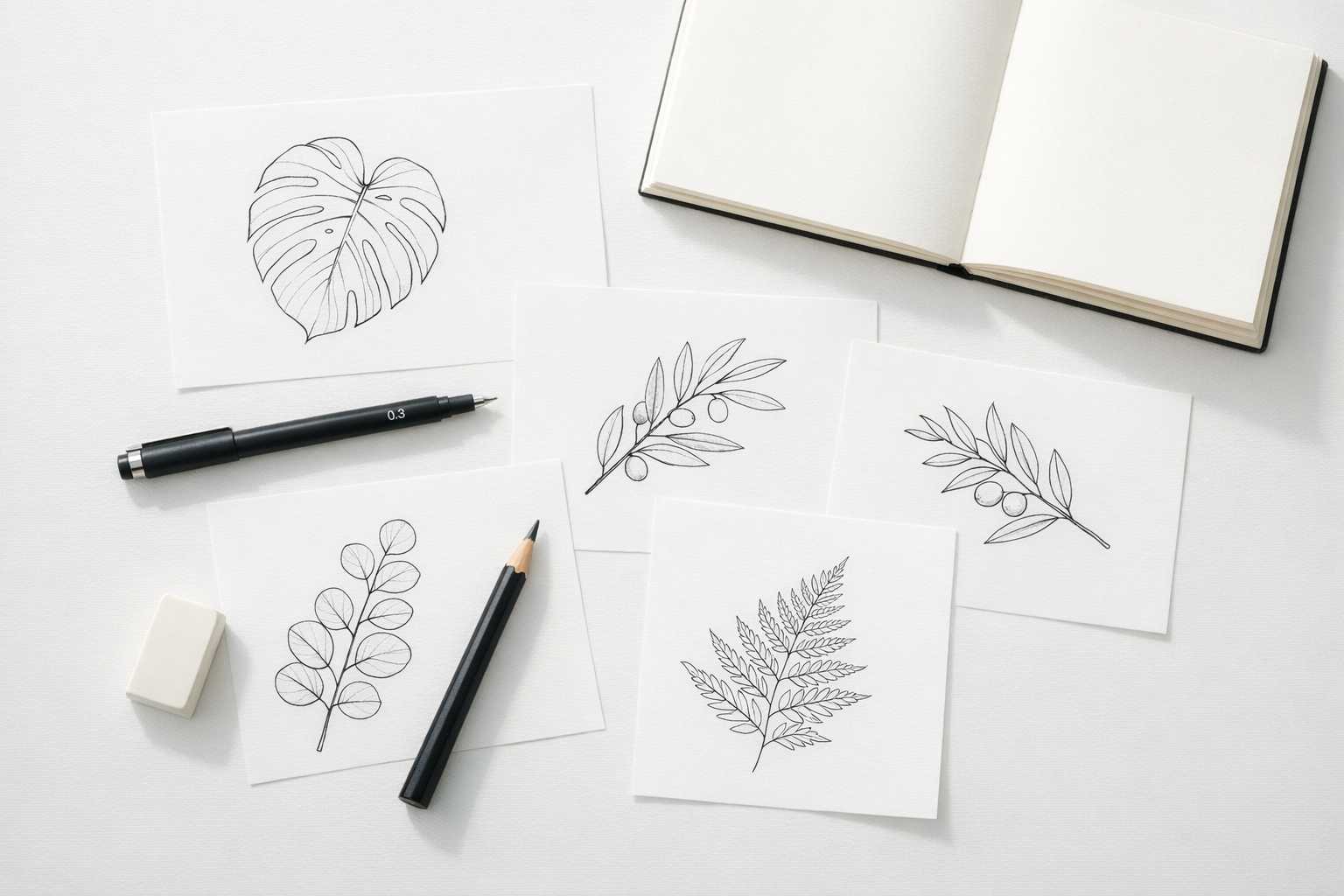
Botanical Line Art: A Minimalist Guide to Drawing Plants
SEO Slug: botanical-line-art-minimalist-plant-drawing-guide
Focus Keyphrase: botanical line art
Meta Description: Discover the beauty of botanical line art with this simple, beginner-friendly guide. Learn essential tools, easy techniques, and practical tips for creating elegant minimalist plant drawings.
What Is Botanical Line Art?
Botanical line art is a simple, elegant way of drawing plants using clean, intentional lines. It usually avoids heavy shading and intricate rendering, focusing instead on shape, flow, and form.
Its appeal lies in that simplicity. Botanical line art feels both modern and timeless, which is why it has become so popular in prints, tattoos, stationery, textiles, and home décor.
Best of all, it is highly approachable. You do not need advanced drawing skills or expensive materials to begin. With a bit of observation and practice, anyone can create beautiful minimalist plant drawings.
Why Minimalist Plant Drawing Feels So Rewarding
There is something naturally calming about drawing plants. Repeating curved lines, tracing leaf shapes, and following the rhythm of stems can feel almost meditative. It encourages you to slow down and pay attention.
Minimalist drawing also removes much of the pressure that often comes with realism. Instead of trying to capture every tiny detail, you focus on the essential character of a plant. That makes the process feel more relaxed and enjoyable.
For many beginners, botanical line art is an ideal introduction to drawing. It is flexible, forgiving, and visually striking even when kept simple.
Essential Tools to Get Started
You do not need a large collection of supplies. A few basic tools are enough.
For traditional drawing: - A fine-tip black pen, ideally between 0.1 mm and 0.5 mm - Smooth white paper or a sketchbook - A pencil for light initial sketches - A good eraser
For digital drawing: - An iPad with an Apple Pencil, or any drawing tablet and stylus - Drawing apps such as Procreate, Adobe Fresco, or Illustrator - A simple monoline or fine-pen brush
If you are just starting out, use whatever you already have. You can always upgrade your tools later.
Choosing the Right Plant to Draw
Some plants are easier to draw than others, especially when you are learning.
Good beginner-friendly subjects include: - Monstera leaves - bold shapes with recognizable splits - Ferns - repeating fronds that help build confidence - Succulents - clear, geometric forms that are easy to simplify - Eucalyptus sprigs - soft oval leaves with elegant spacing - Olive branches - delicate, graceful, and manageable for most skill levels
Choose a plant you genuinely enjoy looking at. When you like the subject, the drawing process becomes much more engaging.
Basic Techniques for Botanical Line Art
Begin with a Light Pencil Sketch
Start by lightly sketching the basic shapes of the plant. This gives you a structure to work from and makes it easier to adjust proportions before committing to ink.
Think of this stage as mapping out the framework of your drawing.
Focus on Contour Lines
Contour lines define the outer edges of the plant. They establish the silhouette and overall movement of the form.
Try to keep your hand relaxed and your strokes slow and deliberate. Clean, steady lines usually feel more confident and refined than rushed ones.
Add Simple Interior Details
Once the outline is in place, add a few interior details to suggest structure. A central leaf vein is often enough to start. From there, you can include a few smaller veins or subtle folds if needed.
Keep the details restrained. In minimalist botanical line art, simplicity is part of the beauty.
Vary Your Line Weight
Using slightly different line thicknesses can make a drawing feel more polished. Thicker outer lines can help define the main shape, while finer interior lines keep details soft and balanced.
This small adjustment can add depth without making the drawing feel busy.
Use Negative Space Intentionally
Do not feel the need to fill every part of the page. Negative space, or empty space around the subject, is an important design element. It helps the drawing breathe and gives the composition a clean, thoughtful look.
Common Mistakes to Avoid
Everyone makes mistakes while learning, and that is part of the process. A few common ones come up again and again.
Drawing too quickly
Rushed lines often look shaky or hesitant. Slow down and give each mark a purpose.
Adding too much detail
Minimalist work is most effective when it stays simple. Too many veins, textures, or outlines can make the piece feel cluttered.
Pressing too hard
A lighter touch gives you better control, especially during the sketching stage.
Skipping the initial sketch
Even experienced artists often begin with pencil guidelines. It helps with placement, proportion, and confidence.
Comparing your work too much
Looking at other artists can be inspiring, but constant comparison can make it harder to enjoy your own progress. Focus on developing your own eye and style.
How to Develop Your Own Botanical Style
Once you are comfortable with the basics, you can begin shaping a style that feels personal.
Spend time observing real plants whenever possible. Look closely at the way stems curve, how leaves overlap, and how different plants carry their weight. These subtle details can influence your line work in interesting ways.
Try different compositions. Draw a single leaf on one page, then a small branch, then a loose arrangement of several stems. Experiment with spacing, scale, and detail.
You might find that you prefer sparse compositions with lots of white space, or perhaps you enjoy denser arrangements with overlapping forms. Both approaches can be beautiful.
It is also helpful to study artists you admire. Pay attention to what attracts you to their work, whether it is their line quality, composition, or simplicity. Use that insight as inspiration, not as a template to copy.
Composition Tips for Better Drawings
A strong composition can make even a simple drawing feel striking.
Place the subject slightly off-center
This often creates a more natural and visually pleasing balance than placing everything directly in the middle.
Use odd-numbered groupings
Clusters of three or five leaves or stems often feel more organic than perfectly symmetrical arrangements.
Vary the scale
Combining larger leaves with smaller sprigs creates contrast and keeps the drawing interesting.
Create movement
Curved stems and angled leaves can guide the viewer’s eye through the piece.
Leave room to breathe
Do not overcrowd the page. Generous spacing can make a minimalist drawing feel more elegant and intentional.
Adding Texture Without Overcomplicating the Drawing
Texture can add character to botanical line art, but it does not need to become elaborate.
A few fine parallel lines can suggest curvature or depth on a leaf. Small clusters of dots can create a subtle stippled effect. Short curved marks may hint at texture on stems or petals.
The key is restraint. Practice these marks separately first, then introduce them gradually into finished drawings.
Ways to Use Your Botanical Line Art
Your drawings do not have to remain in a sketchbook. Botanical line art works well in many creative formats.
Print and frame it
Simple black-and-white plant illustrations look beautiful as wall art.
Sell digital downloads
Minimal botanical prints are popular on platforms such as Etsy.
Create stationery
Plant drawings work well on greeting cards, notebooks, bookmarks, and gift wrap.
Design repeating patterns
A single leaf or sprig can become a stylish pattern for fabric, wallpaper, or packaging.
Offer custom commissions
Many people love personalized illustrations of their favorite houseplants or meaningful flowers.
Building a Simple Daily Practice
Consistency matters more than intensity. Drawing for a few minutes each day is often more effective than drawing once in a while for hours.
Set aside ten minutes a day to sketch one leaf, one stem, or one small arrangement. Over time, that repetition builds confidence and control.
Keeping a dedicated botanical sketchbook can be especially motivating. It gives you a record of your progress and helps you notice how much your work improves over time.
You can also follow botanical artists online for inspiration and ideas. Platforms like Instagram, Pinterest, and YouTube are full of helpful examples and tutorials.
Resources for Continued Learning
Art is an ongoing process, and there is always more to explore.
Books to consider: - Botanical Illustration by Valerie Oxley - The Botanical Artist’s Handbook by Margaret Stevens
Online inspiration and communities: - Botanical art groups on Facebook - Instagram hashtags such as #botanicallineart, #plantdrawing, and #botanicalillustration
Video tutorials:
YouTube is an excellent free resource for botanical drawing demonstrations, line-art techniques, and sketchbook inspiration.
Final Thoughts
Botanical line art is one of the most accessible and rewarding ways to draw. It encourages observation, patience, and simplicity, and even the most minimal sketches can have a strong visual impact.
You do not need to be an expert to begin. A pen, some paper, and a willingness to practice are enough.
Start with a single leaf. Keep it simple. Let your hand loosen up and your eye sharpen over time.
You may be surprised by how quickly a few lines can turn into something beautiful.