Minimalist Nature Painting: Simple Botanical Art Tutorial
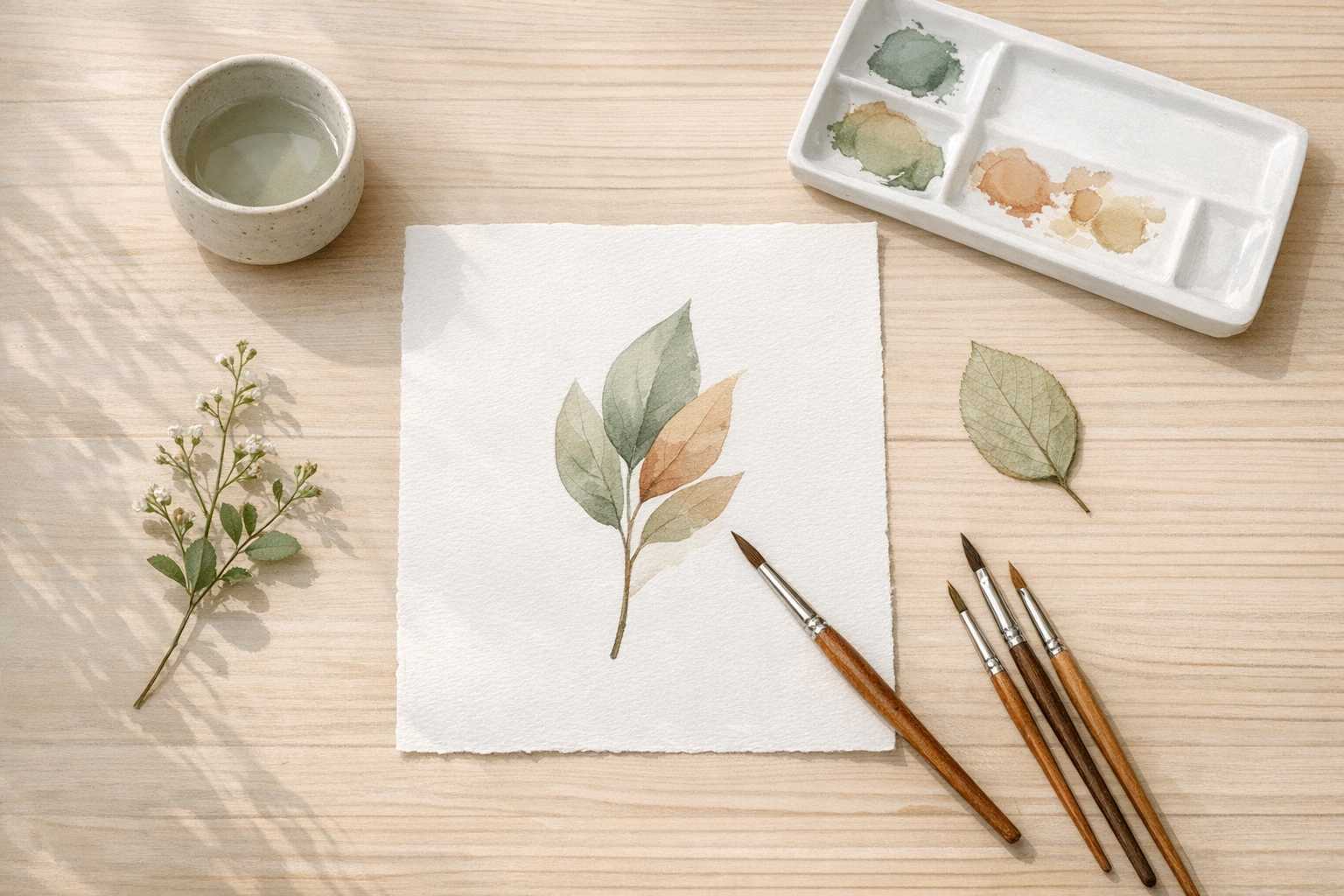
Simplistic Botanical Art Tutorial: Minimalist Nature Painting
The creation of beautiful pieces does not require expert techniques or overly expensive supplies. Minimalist nature painting serves as a serene method of expressing your creative flair. Join me today as we delve into the world of minimalist botanical artistry that proficiently captures the essence of nature with a few simple brushstrokes.
What Makes Minimalist Nature Painting Stand Out
Minimalist Nature painting focuses on adopting a simple approach and implementing negative space. This art style limits the use of excessive elements to create a compelling impact. Minimalism keenly emphasizes the allure of restrained beauty.
The Japanese idea of "ma" bears a significant influence on this approach. It signifies the potency of vacant space, affording your artwork the room to breathe.
Botanical minimalism expertly subscribes to the mantra; less is more. Each leaf, stem, and flower is purposefully utilized. There's no room for clutter or an onslaught of elements.
Key Supplies for Your Botanical Artistry Endeavor
An overwhelming accumulation of supplies is unnecessary. Here's a list of essentials you'll need to kick start your journey:
Basic painting resources: - Acrylic or watercolor paints (earth hues are very effective) - High-quality brushes of different sizes - Watercolor paper or canvas - A palette for merging colors - Clean water vessels - Cloth or paper towels
Sources of natural inspiration: - Fresh flowers and leaves - Plant reference photos - Sketches of nature - Pressed botanicals
Choose conducive resources, ones that remain comfortable while grasping. Quality holds precedence over quantity here.
A Step-by-Step Guide to Botanical Painting
Setting Up Your Workspace
Choose a quiet spot awash with abundant natural light. Arrange your supplies within proximity for easy accessibility. Take a moment to compose yourself by taking a few deep breaths.
An approach like this augments your minimalist nature painting outing. It transcends mere art creation to establish a deep-seated connection with nature's rhythm.
Picking Out Your Subject
Begin with basic botanical forms. A lone leaf serves as a great starting point. Take notice of its structure, texture, and distinct traits.
Do you see places where light strikes? Where are shadows formed? What unique features does this leaf possess?
Make an effort to study actual plants. Nothing surpasses firsthand observation for authentic botanical art.
Crafting Your Composition
The composition is a pivotal aspect of minimalist nature painting. Thoughtful positioning of the subject on paper enhances your artwork. Apply the rule of thirds, but also trust your artistic instincts.
Remember to leave ample white space around your botanical subject. This negative space allows your painting room to breathe.
Sketch delicately if necessary. Some artists directly apply paint for more natural results.
Blending Your Colors
Nature is a rich source of color inspiration. Don’t restrict yourself to the usual shades of green for leaves. Observing closely, you may see tinges of yellow, blue shadows, or brown hues at the edges.
Mix your colors on your palette first. Carry out trials on scrap paper. Intentional color selection is crucial in minimalist painting.
Earth tones create balance in botanical art. Think along the lines of muted blues, warm brown, and sage green.
Painting Techniques for Botanical Minimalism
The wet-on-wet technique affords soft, visual effects. After wetting your paper, add color and watch it spread naturally.
Dry brush technique endows you with more control. Use lesser water to achieve clear-cut edges and distinctive shapes.
Layering of colors bestows depth without complexity. Let each layer dry thoroughly before the next.
Start with light shades, progressing to dark values. You can always supplement with more pigment, but subtracting it becomes difficult.
Common Errors to Evade in Minimalist Art
Overcomplicating Your Design
Minimalist nature painting glorifies simplicity. Refrain from incorporating too many elements. A lone, elegant leaf can wield more power than an entire selection of flowers.
When thinking about adding more, take a step back and ask yourself: "Should I really add this?"
Neglecting Negative Space
Remember, an empty white space isn't void - it's a constructive part of your composition. It gives a resting place for viewers' eyes and stresses your botanical subject.
Make it a habit to perceive negative space as intentionally as the positive space. Both are equally important in minimalist art.
Hasty Progression
The process of minimalist nature painting encourages mindfulness. Don't rush through the steps. Let each layer properly dry. Take the time to keenly observe your subject.
This process isn't about rapid artwork creation. It's about giving life to meaningful art.
Discovering Inspiration in Nature
Seasonal Changes
Each season offers a unique range of botanical subjects. Spring yields fresh, delicate growth. Summer provides full, lush forms. Fall brings about incredible color variations, and winter exposes elegant, bare branches.
Throughout the year, maintain a nature record. Sketch intriguing plants and take note of color combinations.
Urban Nature
Botanical inspiration doesn't necessitate a forest. City parks, household foliage, and window boxes are all perfectly suitable. Even weeds emerging from sidewalk cracks have an artistic appeal.
Look for nature everywhere. It's more abundant than you realize.
Botanical Gardens and Museums
These spaces are a treasure trove of plant variety. They house plants from across the globe. Many botanical gardens encourage artists and offer tranquil spaces for sketching.
Museums often feature botanical illustration collections. Analyze how master artists treated similar subjects.
Infusing Your Personal Style into Your Botanical Art
Devising Your Color Palette
Every artist is drawn to particular colors. It could be cool blues and greens for you, or perhaps warm earthy tones.
Invent a signature palette for your minimalist nature painting. This gives a consistent feel to your work.
Don't hesitate to recreate colors ingeniously. Green, as seen in nature, doesn't always need to be replicated as such.
Venturing into Texture
Being minimalist doesn’t necessarily equate to being flat or monotonous. The art of simplicity can still accommodate intriguing textures.
Experiment with organic textures by applying salt on wet watercolor. Sponges can be used for soft, mottled effects. Try out different brush strokes.
Ensure each texture amplifies your artistic vision rather than diverting attention from it.
Forging a Collection of Botanical Art
Crafting a Series
Contemplate painting plants from your local vicinity. This establishes deep ties to the environment you live in. Record the plants that you encounter daily.
Season-based series also work very well. Capture the same tree across all four seasons. Show how a single subject can change over time.
How to Display Your Work
Minimalist nature painting, when displayed in a thoughtful manner, can be breathtaking. Group similar pieces together. Use basic, clean frames that don't overshadow your art.
Also consider the wall space around your drawings. Remember, even in a display setting, negative space is significant.
Advancing Your Skills
Sophisticated Techniques
Once you've mastered the basics of minimalist nature painting, venture into mixed media. Augment your painted subjects with pencil detailing. Experiment with gouache for opaque results.
Collage elements can also be accommodated in minimalist art. Pressed flowers or leaves contribute authentic texture.
Joining Art Communities
Reach out to other botanical artists digitally or locally. Share your work, learn from others. Several communities organize nature sketching walks.
Social media platforms offer wonderful opportunities to share minimalist nature painting. Widely use relevant hashtags to identify your artistic community.
Teaching Others
Once you’re adept with these techniques, consider disseminating your knowledge. Teaching not only reinforces your learning but also spreads the joy of botanical art.
Many community centers and libraries welcome art tutors. Online platforms also present teaching opportunities.
The Healing Benefits of Botanical Art
Creating minimalist nature painting doesn’t just offer artistic fulfillment. It provides benefits similar to meditation. The focus required inherently calms agitated minds.
Research shows that art creation reduces stress hormone levels. The marriage of art with natural elements amplifies these benefits.
Many artists make botanical painting an integral part of their daily routine. It allows them to connect with natural rhythms in this digital age.
Conclusion
Minimalist nature painting paves the way to serene creativity. No need for expert skills or costly materials to commence. Start with simple botanical subjects and discover the potency of simplicity.
Remember, every great artist began with basic techniques. Permit yourself the patience to learn. Bask in the process of observing nature minutely.
Your first minimalist painting might not exactly match your expectations. And that's absolutely fine. Each piece you create teaches you something new.
Why not begin today with a plant that draws your eye? Houseplants, garden flowers or fallen leaves all make fine subjects. The key is to get started.
Nature remains endlessly patient for you to perceive its unpretentious elegance. Minimalist botanical art allows you to see the world anew. Pick up your paintbrush and revel in the tranquil pleasure of painting nature in its simplest form.