Elderly Portrait Guide: Capturing Age and Character
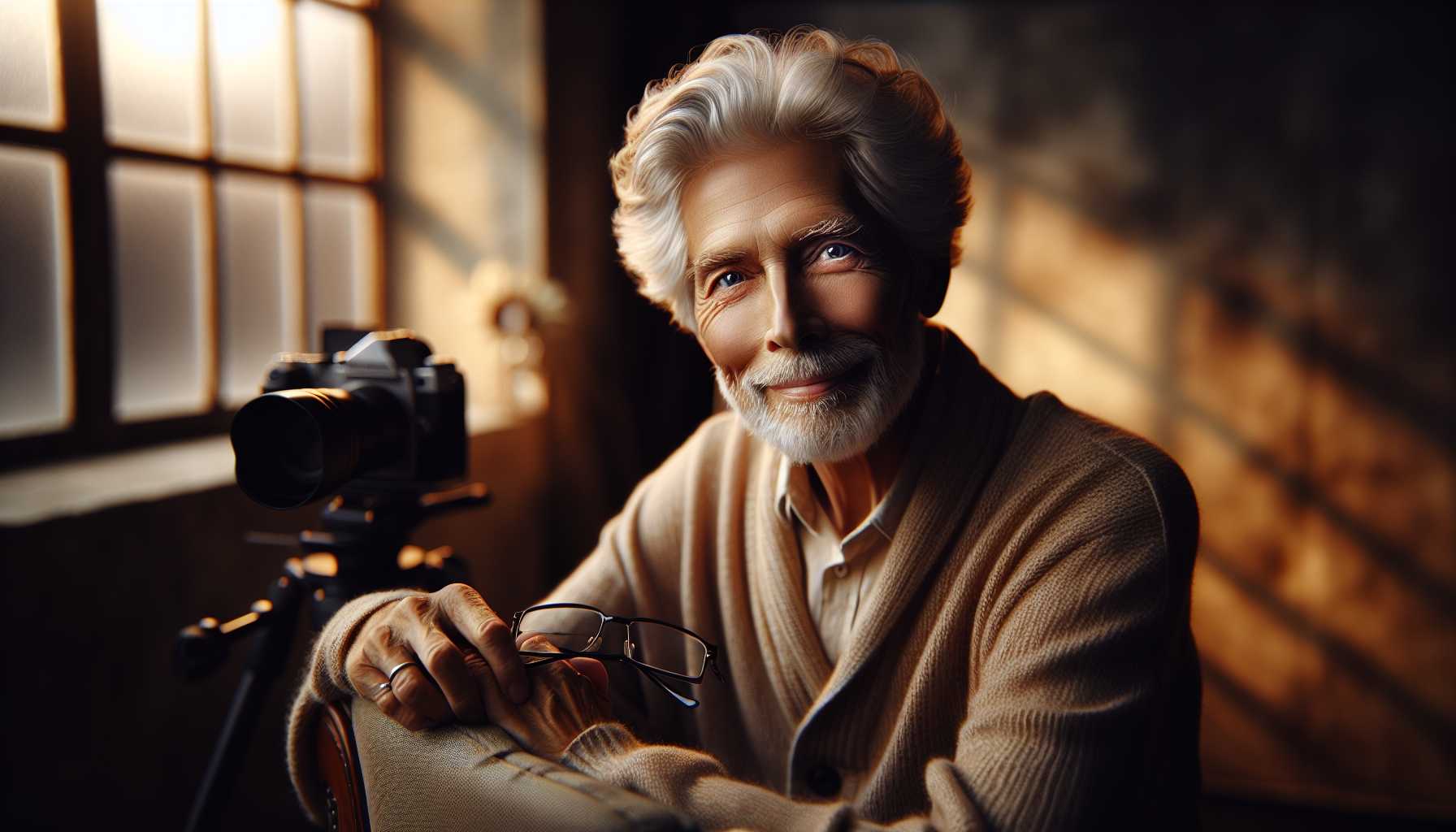
Guide to Elderly Portraits: Capturing Time and Personality
Embracing the Charm of Senior Portraits
Photographing elderly individuals provides a truly enriching experience. Every face narrates its distinct tale. Each crease is a testament to years of joy, knowledge, and life lived.
More than a mere likeness, senior portraits capture memories and chronicle life's voyage. These images are cherished family keepsakes.
Getting Ready for Your Elderly Portrait Session
Establishing Trust and Comfort
To start, engage your subject in a conversation. Swap anecdotes and delve into their life experiences. This encourages natural relaxation.
Gently introduce your methodology. Display sample photos, and reassure them with the freedom to pause at any point.
Fixing the Ideal Time
Morning sessions are usually most suitable for seniors, given their higher earlier-day energy levels. The natural light during this period is also softer.
Leave plenty of time for the session. Hurrying triggers stress and negatively affects the images.
Useful Tips for Elderly Portrait Photography
Appropriate Camera Settings
Employ a larger aperture, say f/2.8 to f/4, which induces gentle background blur while maintaining sharp features. Higher ISO settings can be used advantageously in low light conditions.
Capture in RAW format. This gives extra editing latitude, particularly for skin tones, later on.
Focusing on the Eyes
The eyes are a universal window to the soul, regardless of age. Concentrate on the eye closer to the camera. Aim to make both eyes sharply focused whenever doable.
For accuracy, use single-point autofocus, which bars the camera from misfocusing on the wrong area.
Applying Lighting Techniques for Pleasing Outcomes
The Advantage of Soft, Natural Light
Position your subject near a large window. The resulting soft, diffused light eliminates severe shades and produces a warm, inviting ambiance.
Avoid direct sunlight as it yields unattractive shadows and squinting.
Effective Use of Reflectors
A basic white reflector directs light into shadowy areas, decreasing contrast and achieving balanced skin tones. When necessary, silver reflectors can facilitate more theatrical lighting.
Place the reflector below the face. This naturally fills in shadows beneath the eyes and chin.
Approaches to Posing and Composition
Comfy Positioning
If standing poses a challenge, let your subject sit. A cozy chair with substantial back support is perfect. Cushions can facilitate positioning.
Have them slightly turn their body away from the camera, then face back towards you. This elicits a natural and flattering pose.
Capturing Sincere Expressions
Prompt a conversation about grandchildren or favorite pastimes. These topics frequently elicit genuine smiles and a twinkle in their eyes. Real emotions yield the most superb portraits.
Capture various shots during these exchanges. The best expressions often surface between posed shots.
Emphasizing Personality through Details
Showcasing Personal Items
Incorporate significant items in a few shots. Elements such as reading glasses, wedding bands, or items representing hobbies provide personal elements. These details weave their narrative.
Inquire about objects of personal significance and cleverly weave them into your compositions.
Hands Teach a Story Too
Remember to photograph their hands. Hands express character and display life experience. They can clutch cherished objects or rest easily.
Utilize soft lighting for hand portraits and ensure their interesting textures show without harshness.
Post-Editing Considerations
Subtle Retouching Approach
Go for enhancement rather than dramatic changes. Obliterate temporary blemishes, but retain character lines. It is these lines that depict their life journey.
Carefully adjust exposure and contrast. Strive to maintain natural skin tones throughout the editing process.
Amplifying Color and Mood
Warm tones often go well with elderly subjects. Slightly desaturated colors bring a timeless appeal. Steer clear of overly bold or unnatural hues.
Black and white conversions can be breathtaking, emphasizing texture and emotion effectively.
Overcoming Hurdles
Dealing with Physical Limitations
Your subjects could face mobility challenges. Whenever feasible, take your equipment to them. Demonstrating patience and understanding is crucial throughout these sessions.
Consider doing the shoot in their familiar surroundings. Home settings often result in more relaxed and natural images.
Handling Hearing Difficulties
Speak clearly and ensure to face your subject. Use subtle hand motions to convey directions. Write down instructions if required.
Practice patience and gently repeat instructions when necessary. Effective communication produces better portraits.
Creating Cherished Memories
Involving Family Members
Consider including family in some frames. Portraits involving multiple generations illustrate connections and bonds. These become invaluable family assets.
Invite family feedback about the subject's personality. This information will assist you in capturing their genuine character.
Presentation Suggestions
Print portraits on high-quality paper or canvas. Tangible prints deliver lasting emotional impact and significance. A mini photo album could also be a nice touch.
Large prints create striking wall art. They honor and commemorate the subject's life journey.
Concluding Thoughts on Elderly Portrait Photography
Photographing the elderly necessitates patience, compassion, and respect. Every session offers a chance to pay tribute to an individual's life journey, resonating profoundly with families.
Remember that technical perfection is not the be-all and end-all. The authenticity of emotion and character carries more weight. These portraits become cherished family heirlooms across generations.
Take your time and relish the process. Listen to their tales and capture their soul. The best elderly portraits applaud both the joys of ageing and the sublime character that accompanies it.