Beginner-Friendly Alcohol Ink Art: Easy Techniques Guide
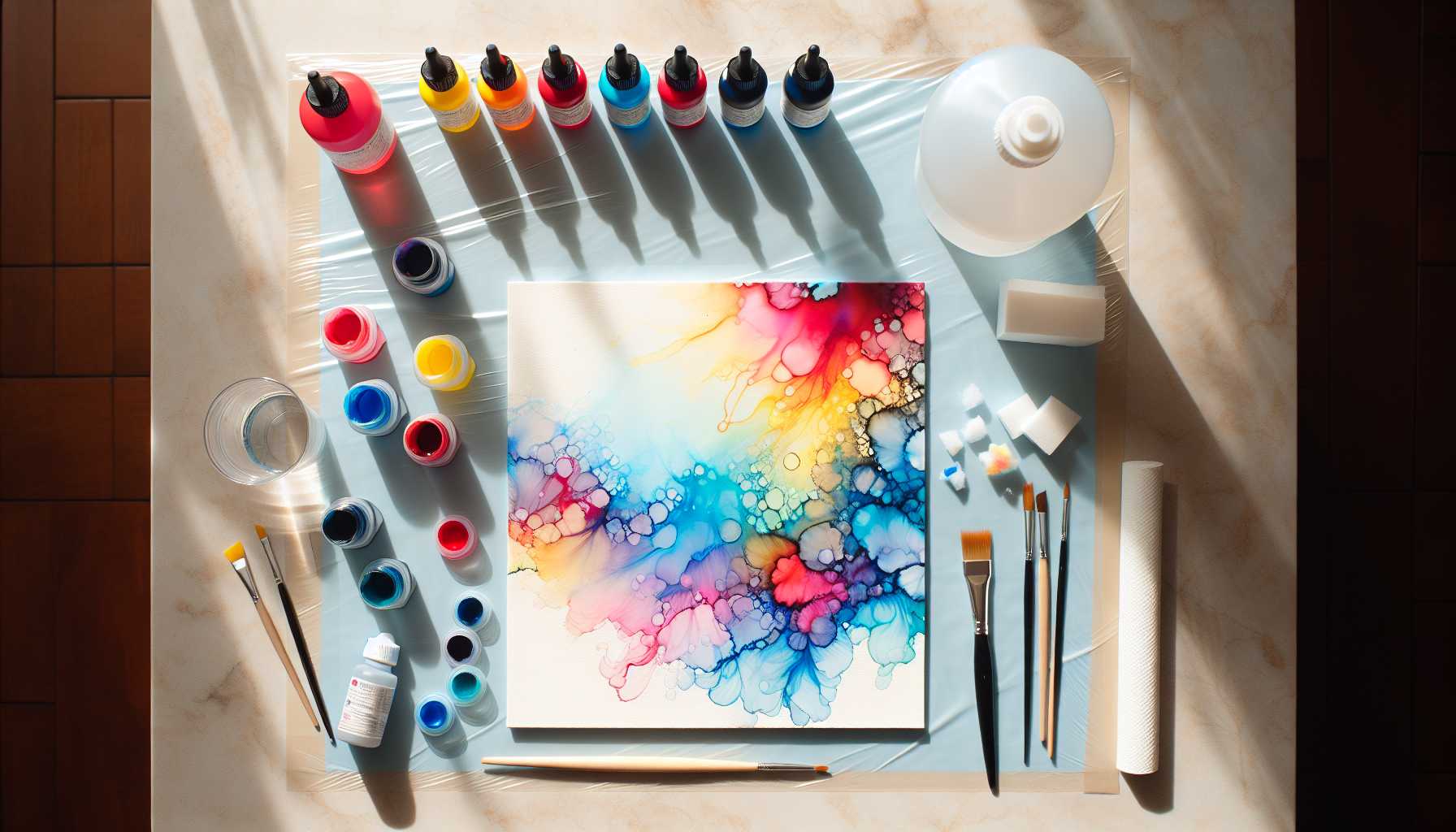
A Convenient Guide to Creating Your First Alcohol Ink Art for Beginners
Have you ever admired those stunning and fluid artworks that present a vibrant dance of colors? Welcome to the enchanting realm of alcohol ink art!
This intriguing medium has won hearts globally with its charmingly unpredictable beauty. If you are a newcomer to this art, do not fret. Everybody begins somewhere, and alcohol ink art is an unexpectedly accessible starting point for beginners.
Let's embark on this colorful journey together!
The Uniqueness of Alcohol Ink Art
The eclectic nature of alcohol ink art is what makes it distinguishable. The inks intermingle and roam freely in a manner that you cannot entirely dominate. This element of surprise is what provides each creation its exclusive identity.
Creating a masterpiece doesn't require years of expertise. The medium takes care of the larger part. It is your role to steer and relish the process.
Beginners often find the outcome breathtaking, even on their initial attempt. A single experience can amaze you by displaying what you are capable of creating.
Basic Supplies Needed to Commence
Your Essential Toolkit
You do not need lofty resources to kick-start your creative journey. Here's your fundamental shopping checklist:
Alcohol Inks: Initiate with primary colors (red, blue, yellow), complemented by black and white. Brands like Ranger Tim Holtz and Jacquard Pinata are commendable choices.
Non-Porous Surfaces: Consider Yupo paper as your priority. Alternative materials can be ceramic tiles, glass, or metal sheets.
Isopropyl Alcohol: Acquire a solution with a concentration of 91% or above. This component serves as your principal agent for blending and generating effects.
Blending Solution: This ingredient helps in delaying the drying period and fabricates exquisite smooth transitions.
Air Tools: A basic drinking straw is sufficient. For upgradation, consider hair dryers and air compressors.
Advanced Features for Progressed Artists
As you evolve, include these utilities: - Felt applicators - Droppers or syringes - Gloves (to prevent stains from alcohol ink!) - Protective coverage for the workspace
Crafting Your Initial Alcohol-Ink Job
Organizing the Workspace
Opt for a space with ample ventilation. Alcohol inks generate robust fumes, therefore, fresh air circulation is crucial.
Shield your workspace with plastic sheets or recycling old newspapers. This practice will earn gratitude from your future clean-up chores.
Provide easy accessibility to paper towels. Their usage may exceed your expectations.
The Technique Of Dropping and Blending
This technique is perfect for novices.
Step 1: Radiate droplets of your chosen color on Yupo paper. Avoid overthinking about dispersing them.
Step 2: Insert droplets of a second color adjacent to the first. Watch the natural fusion of colors.
Step 3: Utilize a straw to mildly scatter the inks around. Experiment with varying air pressures and directions to create unique patterns.
Step 4: Introduce a drop of isopropyl alcohol to form fascinating designs.
It's essential to work swiftly. Alcohol inks have a rapid drying speed, particularly on warm days.
Essential Techniques every Amateur Must Explore
The Method of Alcohol Drop
This technique results in striking patterns, mirroring flowers or galaxies.
Pour some colored ink onto your canvas. While it remains moist, drop a minute quantity of isopropyl alcohol right at its center.
Witness the magic! The alcohol displaces the ink outwardly, envisaging entrancing patterns.
Experiment with different quantities of alcohol to experience multiplicity in effects. The larger drops generate more drastic patterns.
The Technique of Straw Blowing
This approach encourages you to get creative and enjoy the process.
Scatter ink droplets uniformly across your workspace. Then, utilize a straw to blow the inks in diverse directions.
Short, firm puffs result in dramatic strokes, while soft, constant breaths produce smoother mixtures.
Rotate your paper as you blow to fabricate intriguing flows.
The Method of Felt Applicators
This approach grants you better control over color handling.
Apply ink to a felt applicator directly. Then, dab and blend the colors on your canvas as if you're painting.
This technique is ideal for detailed inputs in free-flowing pieces, as it allows you to produce controlled forms and color gradients.
The Vibrant World of Color Mixing for Beginners
Grasping Color Behavior
Alcohol inks are distinct from traditional paints in their behavior. They are transparent, which means colors overlay and merge uniquely.
Start light. Darker colors are dominant and can swiftly overpower your creation.
Yellow and blue collectively produce lovely greens. However, add yellow to blue, not vice-versa.
Producing Depth and Interest
Layer colors while still a little damp to achieve smooth transitions. Apply colors to dry spots for pronounced contrasts.
Embrace "muddy" colors. They can lead to the most picturesque pieces, emerging from unplanned color combinations.
Utilizing White and Metallics
White ink can be used to lighten or highlight. Add it sparingly; a small quantity can make a considerable difference.
Metallic inks add elegance and reflect light fantastically. Gold and silver are excellent choices for accent colors.
Frequent Beginner Missteps (And Ways to Bypass Them)
Excessive Delay in Work
Alcohol inks are known for their quick drying feature. Therefore, avoid lengthy planning and start crafting at the earliest!
Have all your supplies sorted before you initiate. Once the work begins, it is crucial to keep the momentum.
Overloading Ink
In alcohol inks, minimalism is key. Start with smaller quantities and build progressively.
You can gradually enhance the color, but rectifying an oversupply of ink is harder.
Not Prioritizing Ventilation
Ensure that the workspace is well-ventilated. The fumes can be overwhelming in enclosed spaces.
Consider the option of a mask if your tolerance to strong odors is low.
Neglecting Workspace Protection
Alcohol inks possess a high staining tendency. Consequently, protect surfaces, wear old clothes, and use gloves.
Be mindful and learn from past mistakes - you would never wish for a damaged dining table!
Rectifying Your Artwork
When Colors Appear Muddy
An excess of colors often leads to a muddy appearance. Consider using fewer colors on your next attempt.
Normally, a miniscule quantity of white or alcohol can help decipher muddy sections.
When Fluidity is Absent
Verify your alcohol concentration. Lower percentages may not be as effective.
There might be excessive dirt on your surface. Cleanse Yupo paper with alcohol before embarking on fresh pieces.
When Inks Refuse to Merge
The possible reason could be quick drying of inks. Operate in smaller divisions or introduce blending solution to delay the drying process.
Consider shifting to a cooler, more humid environment if feasible.
Enhancing Your Artistic Aptitude
Experimenting with Textures
Try integrating salt while inks are still moist. This tends to result in captivating crystalline textures.
Creating organic, cell-like textures is feasible by pressing plastic wrap into wet ink and then removing it.
Integrating Mixed Media Elements
Mix and match different media as soon as your alcohol ink base dries.
Alcohol markers are great for accenting details. Metallic pens can be used to incorporate highlights and accents.
Conceptualizing Series and Themes
Play around with similar color shades to produce multiple pieces. This practice aids in establishing your distinct style.
Explore different themes - landscapes, abstracts, or nature-themed pieces.
Preserving and Showcasing Your Masterpiece
Safeguarding Your Artwork
Alcohol ink art can gradually fade, especially under direct sunlight. Ensure that you place your pieces away from windows whenever possible.
Contemplate using UV-protective sprays explicitly designed for alcohol inks.
Framing Selections
Glass frames are an excellent choice for displaying alcohol ink art. The brilliance of colors is amplified behind a glass frame.
Avoid frames that have direct contact with the artwork, as they might cause sticking.
Digital Record Keeping
Capture images of your pieces under suitable lighting conditions. Alcohol inks can look contrasting under different lights.
Maintain a diary of your combinations and techniques. You may want to replicate successful designs later!
Expansion of Your Alcohol Ink Society
Learning from Fellow Artists
Numerous social media platforms are abundant with alcohol ink artists who share their techniques and inspirations.
YouTube offers numerous tutorials for every level of expertise. Observing others work might invoke fresh ideas.
Sharing Your Artistic Journey
Share your beginner pieces without hesitation! The alcohol ink community is well-known for its supportive and encouraging nature.
Keeping a record of your progress over a significant period can highlight how swiftly you advance.
Local Workshops and Art Classes
Various art shops and community centers offer alcohol ink classes. In-person learning can yield valuable lessons.
You can discover techniques that are easier to demonstrate than to explain in writing.
Initiate Your Artistic Journey Today
Taking up alcohol ink art means embracing the unexpected. Each creation teaches you something new about color, flow, and imagination.
Remember, a mistake in alcohol ink art is nothing but a happy coincidence leading to pleasing surprises.
Begin with straightforward techniques and modest color combinations. With growing confidence, believe in your potential to experiment and transcend limitations.
The most vital tip? Celebrate the process! The enthusiasm and joy you express will reflect in every piece you create.
So, gather your tools, prepare your workspace, and let the colors unfurl. Your alcohol ink adventure is ready to kick start, and I can't help but eagerly anticipate the stunning art you'll create!
The world craves color and creativity. Be prepared to contribute in your unique way, one drop at a time.