Easy Paint Blending: 5 Techniques for Beginning Artists
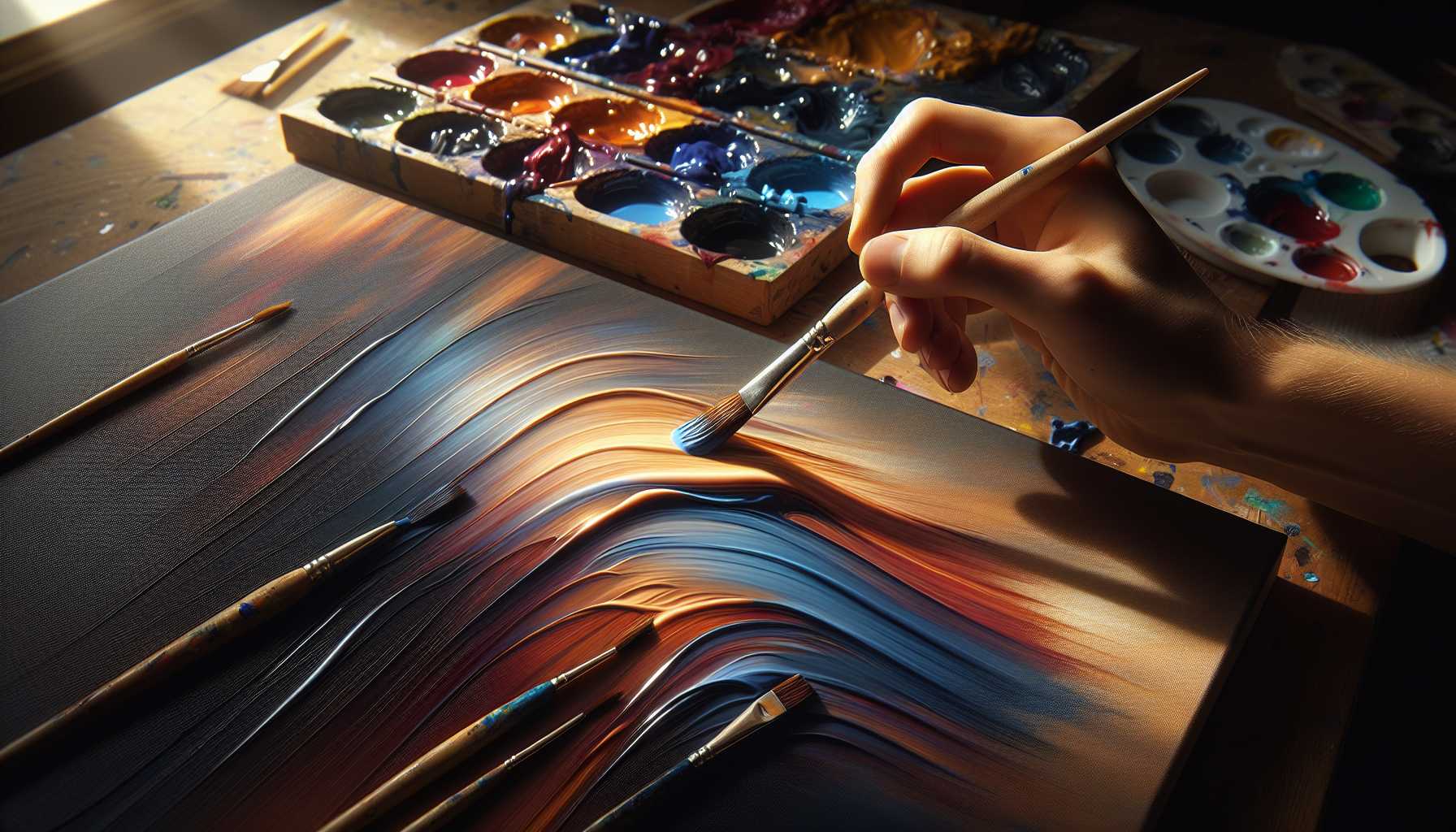
A Beginner's Guide to Seamless Paint Blending: Five Simple Techniques
Diving headlong into the world of painting can feel like a mammoth task. Watching experienced artists blend paints beautifully might seem like a mysterious art, but here's the reassuring fact: with dedicated practice, everyone can master this indispensable technique.
I'm going to explain five easy-to-learn blending methods perfect for novice painters. These techniques are effective for various paints such as acrylics, oils, and watercolors.
Understanding Paint Blending: What It Is and Its Importance
Blending paint is the art of creating smooth passages between different colors. It's a technique crucial for producing lifelike skies, creating soft skin tones, or elegantly depicting natural shadows.
Without efficient blending, your artwork might come across as jagged or illustrative in style. There's absolutely nothing wrong with that if it matches your intent! But if your angling for a more realistic approach, blending will prove to be an invaluable ally.
The trick here is to blend while your paint is still moist. This is because dry paint is harder to mix.
Technique 1: Easy Blending with Wet-on-Wet
This technique, ideal for beginners, employs the simple method of applying wet paint over another wet layer.
Here's how it's done: - Begin by applying your first chosen color to the canvas - While this color is still wet, place your second color next to it - With soft brush strokes, mingle the two colors - Ensure you work speedily before the paint has a chance to dry
This approach is particularly effective for rendering scenes such as cloudy skies and churning sea waves. Go with the flow and allow the colors to merge naturally.
Technique 2: The Art of Gradient Blending
Gradient blending facilitates smooth color transitions from light to dark. Once you familiarize yourself with it, you'll find it becomes an integral part of your painting routine.
Here's how you achieve it: - Initiate with your darkest colour on one end - Gradually incorporate white, or a lighter color to your brush - Make back-and-forths towards the lighter region - Continue adding lighter paint as you progress - Mix until a seamless transition is perceptible
Before applying it to your artwork, practice this technique on scrap paper. It's an excellent method for painting sunsets or adding a sense of depth into your creations.
Technique 3: Gentle Feathering for Soft Edges
Feathering is a technique that produces incredibly soft and natural blends. Think of it as creating a mild wind effect with your brush.
This is how you achieve it: - Start with applying a base color - Load your brush with a secondary color - Where the colors meet on the canvas, apply light, rapid strokes - Switch between the colors till they meld beautifully - Apply a very light touch throughout this process
This method is fantastic for painting textures like fluffy clouds, fur, and fabric. The lighter your touch, the softer the blend.
Technique 4: Textured Blends with Scumbling
Scumbling is a process used for building interesting textures while blending colors. A brilliant technique for depicting rough surfaces like tree bark or rugged cliffs.
Here's the process: - Proceed by applying your base color and let it semi-dry - Load a dry brush with the secondary color - Gently scrub the brush over the base color - Use a mix of circular or random movements - Gradually create your desired effect
The secret here is to use a relatively dry brush. Overloading with paint might lead to colors appearing muddied rather than textured.
Technique 5: Illusory Blending with Petite Strokes
This method involves numerous small brushstrokes creating an illusion of blending. A favourite amongst Impressionist painters.
Here's the technique: - Apply small, distinct brushstrokes of varying colors - Ensure the strokes are close together but not physically mixed - From a distance, the viewer's eye will blend the colors - Play around with different stroke directions for a more organic look
This method imbues your work with liveliness and motion. It is particularly effective when painting flowers, landscapes, and portraits.
Common Mistakes in Blending to Steer Clear Of
Every novice artist is prone to making these errors. Learning to dodge them will save you a lot of headaches:
Overworking the paint can lead to muddling of colors. Stop blending when it already looks good.
Using excessive paint provokes difficult blending. Start with lesser amounts than you think necessary.
Impure brushes can lead to unwanted color mixing. Ensure you clean your brush between different colors.
Working slowly with paint that dries quickly. Acrylics are notorious for fast-drying, so work swiftly or use a slow-drying medium.
Some Suggestions To Achieve Optimal Blending
Make sure you set aside regular intervals to practice. A mere 15 minutes a day can remarkably enhance your skills.
Begin with uncomplicated exercises such as: - Blend two different colors within a small square - Practice gradients from dark to light - Try blending three colors together - Experiment with brushes of various sizes
Maintain a practice journal. Capture photos of your blending exercises and note your successful techniques.
While learning, don't stress about creating perfect art. Concentrate on understanding the behaviour of paint.
Tools That Can Aide in Easier Blending
You don't require high-end art supplies to start blending. Here are some basic tools that can help:
Soft brushes always lend to smoother blends over stiff ones. Synthetic brushes work amazingly well for beginners.
Blending mediums delay drying. This gives you more time to perfect your work.
Palette knives can contribute to unique blending effects. They're not just for paint mixing.
Spray bottles can help keep acrylic paint workable for longer. A light spray can prevent the paint from drying up too swiftly.
Ways Forward in the Art of Paint Blending
Start by mastering one technique before moving onto more complex methods. Master wet-on-wet blending prior to trying other techniques.
Begin by painting humble subjects. For instance, try blending colors within non-objective shapes before attempting realistic objects.
Get involved in online art communities for constructive feedback and encouragement. These platforms offer helpful advice from aspiring artists like you.
Remember, all the professionals you admire today were once beginners like you. They honed their skills through dedication, making and learning from errors, and unwavering persistence.
Ready to Dive into Blending?
Blending paint can transform ordinary artwork into extraordinary masterpieces. The five techniques detailed here provide a sturdy anchor for any painting style.
Choose the technique that resonates with you the most. Gather your paint and brushes, and get started today.
Remember, your artistic journey is personal and unique. Embrace the learning process, and celebrate even the smallest advancements. With consistency and dedication, you'll find this art of blending becomes almost instinctual.
Which technique do you plan on trying first? Your creative adventure is waiting to unfold.