Easy Paint Scraping Art: Simple Texture Effects Guide
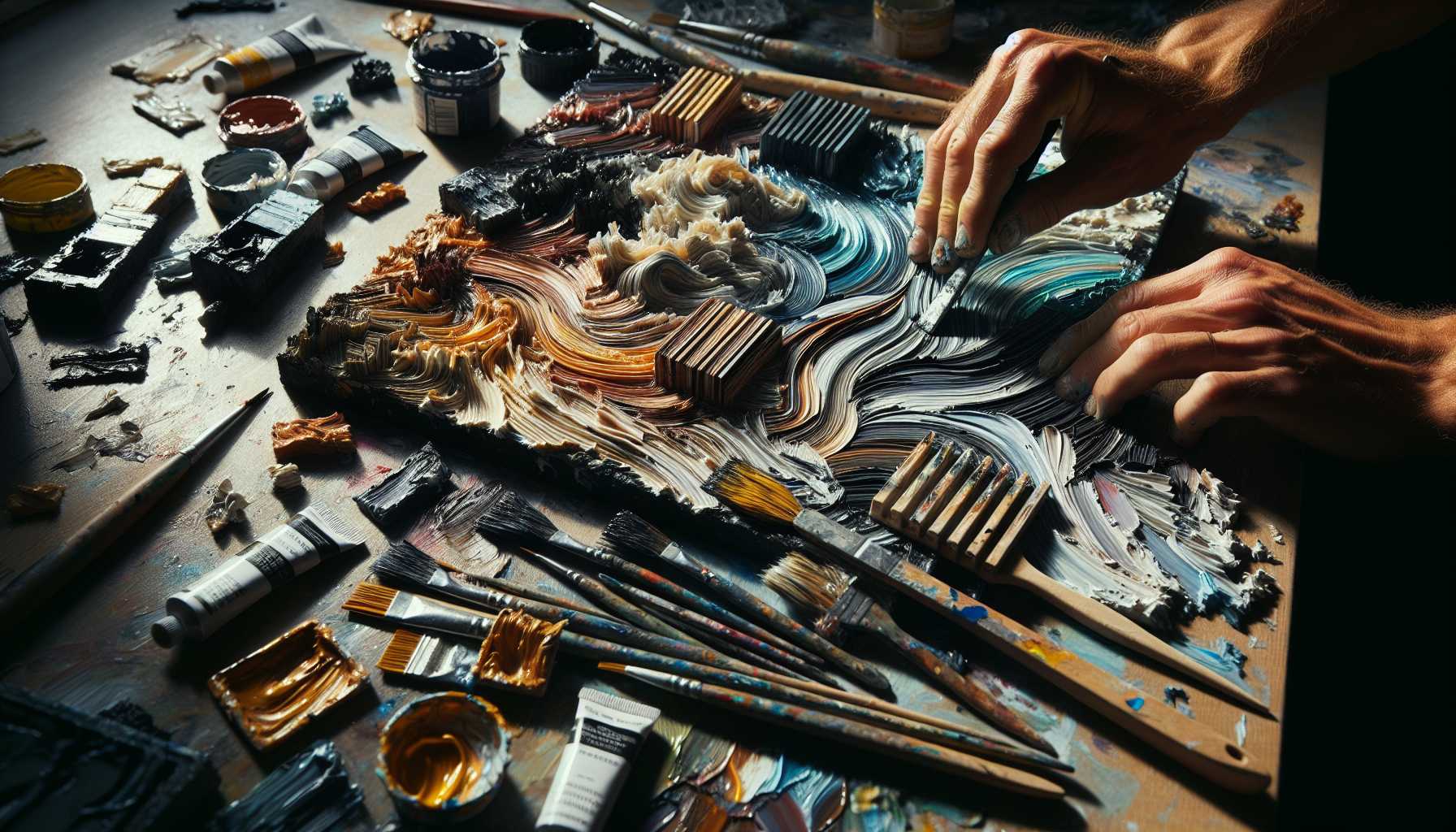
Refreshing Art Through Easy Paint Scraping: A Guide to Creating Texture
Have you always dreamed of imparting unique and intricate textures to your artwork? The technique of paint scraping is the answer you've been waiting for! This fun and engaging technique lets you create stunning effects, transforming your pieces into ones that truly grab attention.
Decoding Paint Scraping Art
Paint scraping involves the removal of wet paint from your canvas using assorted tools. With a tool in hand, you drag, scrape, or pull paint across the canvas, giving rise to textures and patterns that paintbrushes could only dream of.
The methods are compatible with many types of paint. Acrylics are ideal for beginners, while oil paints offer the luxury of ample working time. Watercolors lend a softer, delicate touch to your effects.
Basic Tools for Practicing Paint Scraping
Starting off requires no extravagant equipment. Here are the basics you'll need:
- Palette knives - Impeccable for sharp and clean lines
- Credit cards - Creates effortlessly smooth scrapes
- Combs - Used to generate patterns with parallel lines
- Sponges - Evoke organic, natural textures
- Cardboard pieces - To craft your scraping tools
Creative artists often utilize everyday items to form interesting patterns. Things like old cutlery, brushes, or even spare items around the house make excellent tools. You're encouraged to explore and find favorites.
Foundational Paint Scraping Techniques
The Simplistic Drag Technique
Start with a canvas of wet paint. Grasp your tool at a 45-degree angle and glide it smoothly across the canvas. This action removes the paint, revealing the layer beneath.
But first, practice on some spare paper to familiarize yourself with the required pressure and speed. Light pressure would create subtle effects, while heavy pressure can remove more paint.
The Cross-Hatch Strategy
Apply paint in one direction and allow it to semi-dry. Add a second layer in the opposite direction and then scrape through both layers simultaneously.
This method offers a stunning depth to your artwork. And the magic? You are met with a mélange of color combinations you didn't expect.
The Wet-on-Wet Plan
Layer multiple colors on the canvas while they're still wet. Scraping through all layers immediately creates smooth color transitions and organically formed patterns.
Speed is fundamental with this technique. Remember, your paint should remain wet when you start scraping. A spray bottle would come in handy to keep the paint moist and workable.
Creating Distinct Texture Effects
Bark and Wood Textures
Emulate the texture of tree bark through vertical scraping motions. Begin with primary dark colors and lighten progressively. Palette knives scraping in long vertical strokes work best.
While scraping, vary the pressure to create realistic irregularities, just like natural bark.
Water and Wave Effects
Imitate the textures of water using horizontal scraping motions. Use blues and whites in random patterns and scrape with fluid, graceful movements.
Modifying directions slightly while scraping mimics the manner in which real water refracts light. Add hints of green or grey for a touch of authenticity.
Cloud Formations
Clouds are marked by their soft irregular outlines. Use a sponge or a soft cloth for scraping and apply white and grey paints randomly. Move the material in circular or curved motions while scraping.
Never overdo this texture. Clouds should look naturally blurry and soft. An excess of scraping would result in harsh, unnatural clouds.
Rock and Stone Surfaces
Design rocky textures using unconventional scraping patterns. Add earth tones like browns and grays and follow with a heavy application of paint. Next, scrape with uneven, choppy movements.
Once the base dries, add highlights with lighter colors in moderation. Realistic rocks exhibit varied surfaces that reflect light at different angles.
Advanced Tips for Paint Scraping
Layer Management
Cultivate texture incrementally utilizing multiple layers. Permit each layer to dry partially before proceeding with the next. This avoids muddiness and retains color clarity.
Plan your color sequence meticulously. Dark colors should be applied first, with lighter ones following gradually. This ensures the depth and dimension of your art piece resemble natural elements.
Tool Variations
Different tools yield varied effects. Test various edges and textures. Jagged patterns are best achieved through serrated knives, while smooth tools are ideal for fluid lines.
Cardboard can be used for crafting custom tools. Cutting different edge patterns and creating notched edges will assist in making unusual effects. These homemade tools are bound to create extraordinary textures.
Controlling Color Temperatures
Warm colors seem closer to the observer, while cool colors appear distant. Keep this in mind while scraping your textures.
Use warm colors in foreground areas and cool ones in the back for the illusion of depth and natural perspective.
Avoiding Basic Mistakes
Over-Scraping
Scraping the same area repeatedly can do more harm than good - it removes excessive paint and could possibly harm the canvas. Opt for purposeful, decisive strokes instead.
However, if a mistake occurs, permit it to dry fully, paint over it and restart. Attempting to rectify already wet paint could result in a mess.
Inappropriate Paint Consistency
If paint is too thick, smooth scraping becomes impossible. On the other hand, thin paint will not maintain the desired texture. Practice is the key to achieving suitable consistency.
Medium can be added to adjust the paint's consistency. Flow aids make the paint thinner without compromising its body, while gel mediums can thicken paint without compromising its workability.
Overlooking Drying Times
Different paints necessitate varied drying times; while acrylics dry rapidly, oils take their time. Plan to scrape your paintings accordingly.
If required, work in segments. Complete one part before moving on to another. This strategy ensures consistent outcomes across the artwork.
Fundamentals: Practice Projects for Beginners
Simple Landscape
Kickstart your project with a basic scenic picture: a sky, mountains, and a foreground. Use different scraping techniques for each element.
Scrape horizontal lines in the sky for cloud-like effects. Vertical scrapes in the foreground will resemble grass textures. Prioritize simplicity over complexity.
Abstract Texture Study
An abstract art piece focusing strictly on textures is a perfect exercise. Divide the canvas into fragments and employ different scraping techniques in each partition.
This assignment makes you understand the unique roles each technique contributes to. You'll also amass an individual inventory of texture effects for future references.
Weathered Wood Panel
Try replicating a wooden surface using scraping techniques. Initiate with base colors of brown, followed by gray and white weathering effects.
Scrape in the same direction as the wood grain. Add knots and irregularities for realistic texture.
Maintenance of Your Scraping Tools
Always clean tools immediately after use. Residual dried paint can damage the scraping edges. Use suitable solvents for each type of paint.
Proper storage also contributes to the longevity of tools. Bundle sharp tools carefully to avert damage and periodically replace tools when edges become overly worn or impaired.
Taking Your Art to the Next Level
After mastering the basics, combine mix-techniques and experiment. Scraping textured media is another dimension worth giving a shot.
Keep a record of successful techniques in a sketchbook. Photograph fascinating effects and note the tools and colors used.
Purge your loneliness and join online art communities that focus on texture techniques. Share your experiences and learn from others. You might run into artists who share the same love for scraping.
Conclusion
The art of paint scraping opens doors to a world packed with creative prospects. These straightforward techniques have the potential to metamorphose ordinary paintings into textured masterpieces.
Commence with basic tools and simple projects, then practice consistently to refine your skills. Soon, you'll be creating textures that strike a unique chord in your artwork.
And, as the universal rule of art goes, there are no stringent rules to abide by. Use these techniques as a roadmap to navigate your creative journey. Enjoy the art of scraping!