Swipe Technique Mastery: Fluid Art Tutorial Guide
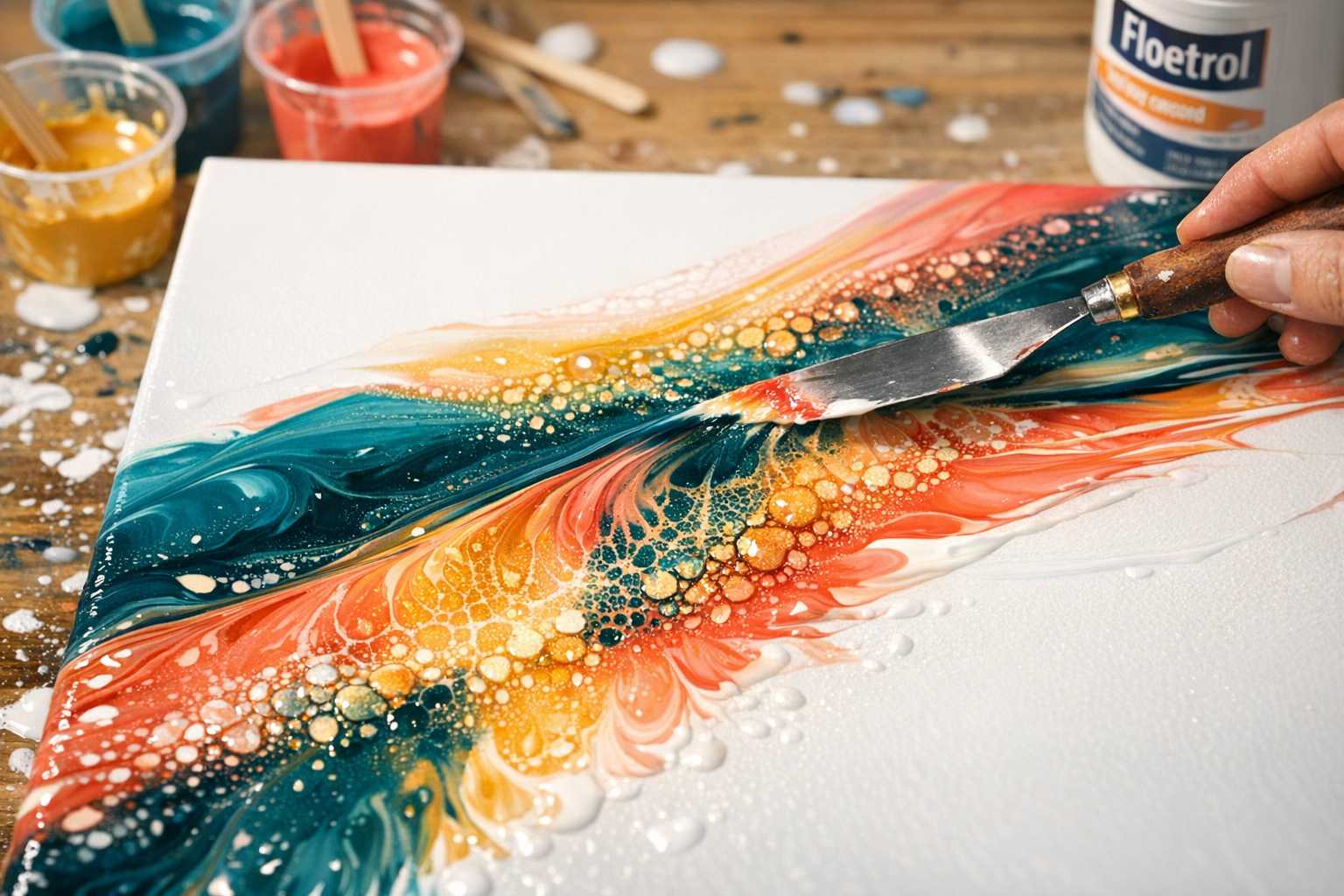
Mastering the Swipe Technique: An In-depth Guide to Fluid Art
Have you ever been entranced by the sight of paint gliding impressively across a canvas? This magical spectacle is created using the fluid art swipe technique, and in this article, we'll learn all there is to know about this fascinating art form.
Unpacking the Swipe Technique
Considered one of the most beloved fluid art techniques, the swipe technique uses a tool to glide over wet paint, creating gorgeous cell formations and seamless patterns - a process akin to painting with liquid silk.
The technique thrives on the manipulation of paint densities. As you carry out a swipe, the lighter colors pierce through the heavier ones, forming captivating shapes that appear alive.
Gathering the Essentials for the Swipe Technique
Before we start, let's gather the materials required for this technique. Fortunately, high-end materials aren't necessary.
Required Paints: - Quality craft acrylic paints - White paint (basic color) - 2-3 contrasting colors
For Mixing: - Pouring medium (like Floetrol) - Few drops of silicone oil - Plastic cups - Stirring sticks
Tools for Swiping: - Palette knife - Old credit card - Damp paper towel - Ruler or straight edge
Prepping Your Paint Mixes
Getting the ideal consistency is crucial - your paint's flow should resemble warm honey.
Begin with a 1:1 ratio of paint to pouring medium and stir until uniform. If necessary, add water a drop at a time. Test the consistency by lifting your stirring stick. The paint should drip down smoothly like a ribbon.
The base, which is your white paint, needs to be a bit thinner to allow the other colors to reveal themselves adequately. Add one small drop of silicone oil to each color, excluding white. More oil isn't always beneficial.
Step-by-Step Guide to the Swipe Technique
Now let's create your masterpiece.
Step 1: Forming your base Spread white paint evenly across your entire canvas through gentle tilting. This forms your foundation.
Step 2: Adding colors Pour your chosen colors on the white base. Don’t worry about exact positioning - an organic look is preferred.
Step 3: The crucial swipe Utilize your swiping tool to drag it gently across the paint in one sweeping motion. No need for pressure, let the tool glide naturally.
Step 4: Multidirectional swipes Explore swipes in various directions - horizontal, vertical, or diagonal. Each direction delivers unique effects. Try overlaping some swipes for intriguing results.
Practical Tips for Improved Outcomes
Through countless pouring sessions, I've picked up a few tricks.
Ensure your swiping tool is somewhat damp to prevent paint from dragging or sticking. Cleanliness is vital between different sections.
Avoid rushing, but work at a brisk pace since paint starts to solidify within minutes. Strategize your swipes before you begin.
Play around with applying pressure - a lighter touch creates subtle blends, while a firmer pressure provides more of the underlaying base color.
Common Pitfalls to Steer Clear Of
Everyone, especially beginners, makes the same mistakes. Let me help you avoid them.
Avoid over-mixing your paints. Ensuring a consistent mixture avoids uneven swipes. If necessary, strain your mix.
Limit the use of silicone oil. Excess can hinder the adhesion of the paint. Only one drop per ounce of paint is adequate.
Avoid repeatedly swiping the same area as this just muddies the colors. Each swipe should be intentional.
Troubleshooting Your Swipe Technique
Sometimes, things don't go according to plan. Here's how to manage common issues.
Not getting any cells? Your paint might be too thick. Add more of your pouring medium or just a bit more silicone oil.
Colors becoming muddy? You're likely over-manipulating the paint. Next time, try fewer swipes, but be more deliberate.
Paint not flowing correctly? You need to adjust the consistency. Remember the warm honey consistency mentioned earlier.
Advanced Swipe Variations
Once you've mastered the basics, consider experimenting with these advanced variations.
Ring Swipes: Pour paint in concentric circles, then swipe from the center outwards. This method can create fascinating mandala-like patterns.
Negative Space Swiping: Let some areas remain untouched. The contrast between the swiped and bare areas creates a visually interesting effect.
Altering Tools: Try various swiping tools. Plastic wrap can create textured effects, while spatulas can result in softer edges.
Ensuring Your Artwork Lasts
A proper finish is essential to protect your artwork. Allow it to dry completely flat over 24-48 hours without disturbing it.
After it’s dry, apply some protective varnish. This step helps preserve your colors and enhances the longevity of your painting. Choose between glossy or matte finishes according to your preference.
Don’t forget to sign-off! You’ve created a masterpiece - it deserves recognition.
Enhancing Your Swipe Technique Skills
With fluid art, perfection comes with practice, and each attempt allows you to uncover something new about the behavior of paint and color interaction.
Maintain a practice journal, noting successful color combinations, paint ratios, and work techniques. This will serve as a personal guide for you.
Become part of an online fluid art community. Share your work, and appreciate and learn from the work of other artists. The fluid art community is a warm, creative space.
Get Ready to Swipe!
Being armed with the knowledge and tools to create stunning fluid art is just the beginning. Remember, every master was once a novice - it's normal for your first few tries to not turn out exactly as you envision. However, each painting teaches a valuable lesson.
Gather your supplies, and start experimenting today - the most crucial step is always the first. The canvas awaits your magical swipe that will bring it to life.
Have you decided on the colors for your initial swipe technique masterpiece? The possibilities are as vast as your creativity.